Fiku i Kuq
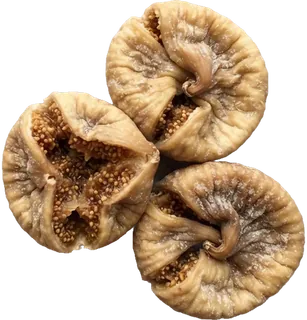
Dark red-fleshed figs grow on trees through the coastal hill villages of Durrës and Shkodër qarks, picked twice — a small crop in June, the main one in August — and eaten fresh within a day or split and dried on frames for winter.
How to order
Më jepni një kilogram fiq të kuq, ju lutem.
The figs themselves need nothing changed; the fruit is plant-based on its own. If a serving comes with yogurt, honey or butter added, ask for it plain: «pa kos, pa mjaltë dhe pa gjalpë, ju lutem».
History
Fiku i kuq grows in home orchards and terraced hillsides along the coast of Durrës and Shkodër qarks, in villages such as Ishëm and Sukth near Durrës and Velipojë and Ana e Malit near Shkodër. Trees have stood on these plots since Ottoman times, valued for a fruit that needs no irrigation on dry coastal soil. Under the communist state the orchards were folded into cooperative land, and after 1990 many returned to household plots, though emigration since has left some trees unpicked. Figs are gathered twice, a light June crop and the heavier August one, then split and laid on wooden frames to dry for the autumn zahire.
Fiku i kuq is a fruit and carries no animal product in itself, whether eaten straight from the tree or dried on the frame. The only point to settle is how it reaches the table afterward: fresh figs are sometimes served with kos spooned over them or mjaltë drizzled on top, and dried figs occasionally appear split and stuffed with a spoon of gjalpë or a smear of mjaltë for a name-day table. None of that touches the fruit itself, so asking for it plain — pa kos, pa mjaltë — settles the matter before it is served.
Where to get it
Weekly markets and roadside stalls in Durrës qark, around Ishëm and Sukth, and in Shkodër qark around Velipojë, from early June through August. A kilo runs 150-250 lekë depending on the week.