Shesh i Bardhë
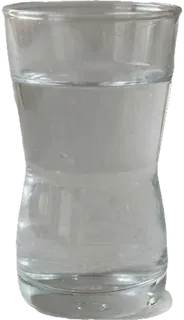
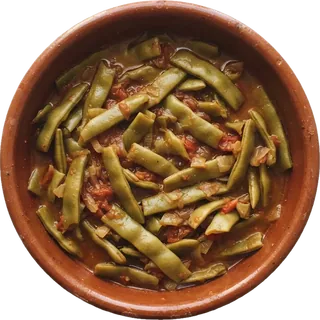
A white grape found nowhere else, pressed into a dry, citrus-edged wine drunk cold. Grown across the Durrës hills and the Tirana lowlands, it is poured with grilled vegetables at summer tables in Krujë and Kavajë.
How to order
Një gotë Shesh i Bardhë të ftohtë, ju lutem.
Asking at the table does not change what is already in the bottle, since fining happens at the winery months before it is opened. At a wine shop or straight from a producer around Krujë or Shijak it is worth asking «Me çfarë e kanë kulluar verën, me bentonit apo me vezë?» — whether the wine was cleared with bentonite or with egg — since gelatin and egg white fining are still common and cannot be reversed once the bottle is sealed.
History
The grape takes its name from Shesh, a village in the Krujë district north of Tirana, and is planted through the hill country that runs from there down to Durrës, around Shijak and Kavajë. It ripens in September and is one of only a handful of grape varieties native to Albania, alongside its dark twin Shesh i Zi. Under communism the vineyards were folded into the kooperativa bujqësore and the grape went largely to state wine houses in Durrës; after 1990 those cooperatives collapsed, many hillsides were left untended as families emigrated, and the vine survived mostly in family plots before small producers began replanting it through the 2000s.
Grapes and yeast carry the fermentation from start to finish; nothing animal goes into the must itself. What can enter the wine is the fining agent used to clear it before bottling — many Albanian cellars still settle young white wine with egg white or gelatin, both standard across the region's winemaking, rather than with bentonite clay. That settling happens at the winery, weeks before the bottle is opened, so it cannot be undone at the table: asking which fining agent a bottle was given, or seeking out a producer who uses bentonite, is the only way to be sure.
Where to get it
Family cellars and small wineries around Krujë, Shijak and Kavajë in the Durrës hills sell it by the bottle, and family-run restaurants there pour it chilled by the glass alongside grilled vegetables; a bottle runs 500-800 lekë direct from a producer, more at restaurants in Tirana. Best from the September harvest through the autumn and winter months.