Lahana Ezmesi
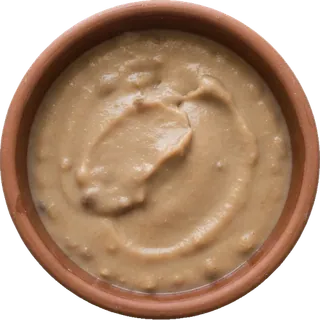
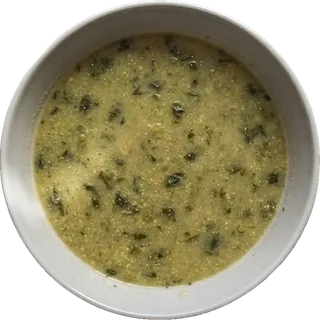
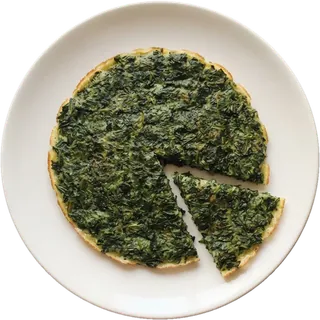
Lahana ezmesi is black cabbage boiled until soft, then crushed and cooked together with cornmeal into a coarse, dense green mash, thick enough to hold a spoon upright.
How to order
Lahana ezmesini tereyağsız yapar mısınız, lütfen?
Ask before it is cooked, since the butter goes in during cooking and not at the table. Saying “tereyağsız” (“without butter”) tells the cook to finish the mash with oil instead.
History
Lahana ezmesi comes from the eastern Black Sea coast, around Hopa in Artvin province, an area where Laz is spoken alongside Turkish. Home cooks there make it mainly in winter, when kara lahana, a dark, collard-like cabbage, is in season. The cabbage is chopped and boiled down until soft, then crushed and cooked together with cornmeal until the mixture thickens into a coarse mash. In the Laz-speaking villages around Hopa, the cornmeal used for it is often called lazut unu, after lazut, the local word for maize; the dish itself keeps its Turkish name, lahana ezmesi, cabbage mash, since ezme simply means a crushed paste.
Everything that goes into the pot before the finish is plant: black cabbage, cornmeal, water, salt, and usually a chopped onion or a little garlic softened in oil. The animal product enters at the very end, when butter is melted and beaten through the hot mash to round out the flavor and give it a sheen. This happens in the kitchen, not at the table, worked in before the dish is plated and served. Once the butter is stirred through, the mash cannot be separated back into its parts, so the only point where this can be settled is before cooking begins, by asking the cook to finish it with oil instead of butter.
Where to get it
Found in home kitchens and small lokantas in and around Hopa, Artvin, through the late autumn and winter months when kara lahana is in season.