ምስር ወጥ (Misir Wat)
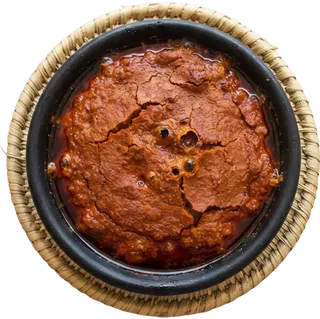
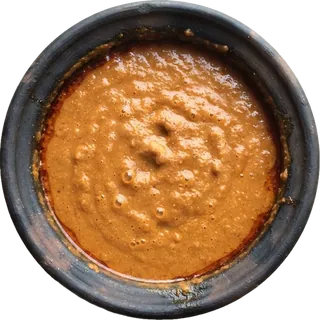
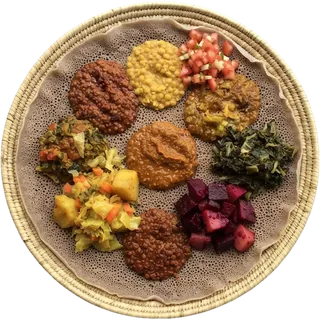
Split red lentils simmered with onion, garlic, ginger and berbere until they break down into a thick, dark red stew. Cooked in niter kibbeh on ordinary days or in oil during Orthodox Tewahedo fasting periods, it is served as one of the stews spread over injera at lunch counters across Addis Ababa and Amhara.
How to order
እባክዎ የጾም ምስር ወጥ ይስጡኝ፣ አመሰግናለሁ።
The transaction runs in Amharic. Asking for the “የጾም” (ye'tsom), fasting, version settles whether the stew was built on oil or on niter kibbeh, since the fat goes in with the onion long before the pot reaches the counter. Outside the Wednesday and Friday fasts, the default at most counters is the butter-based pot, so naming the fasting word is what matters, not asking afterward.
History
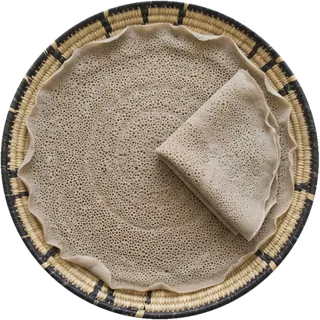
Misir wat, ምስር ወጥ, is Amharic for "lentil stew," built from misir, split red lentils, and made across Amhara and in Addis Ababa. Cooks soften chopped onion slowly in fat, then add garlic, ginger and berbere, the chili-and-spice paste, before stirring in the lentils and water and simmering until the lentils collapse into a dense sauce. Households cook it most days, and lunch counters, injera houses and market stalls in Addis Ababa and towns such as Bahir Dar and Gondar sell it as one portion among several ladled onto a shared sheet of injera, available by the plate at midday and in the evening.
The lentils, onion, garlic, ginger and berbere are plant throughout. Animal product enters only through the cooking fat: on ordinary days cooks commonly build the stew on niter kibbeh, spiced clarified butter, stirred in with the onion at the very start, so the stew simmers in it rather than taking it on later. On Wednesdays and Fridays and through the longer Orthodox Tewahedo fasts, the same stew is built in oil from the first step, and is then plant throughout. Because the fat goes in before the onion softens, asking at the table changes nothing; what has to be settled is which pot the stew came from, by asking whether it is the fasting (ye'tsom) version before it is served.
Where to get it
Lunch counters, injera houses and market stalls across Addis Ababa and towns such as Bahir Dar and Gondar sell it year-round, with the fasting version in standard supply on Wednesdays, Fridays and through Abiy Tsom (the Lenten fast, roughly March to April); a plate runs about 40-80 ETB.