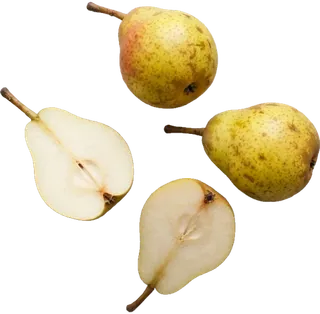
Mollë Korçe
Apples from the orchards around the Korçë plateau, where a cold continental winter sharpens their flavor; picked from September and laid out on wooden racks, they are sold through the autumn fairs held in the villages nearby, among them Dardhë.
How to order
Sa kushtojnë mollët, ju lutem?
Apples are a fruit with nothing to settle, so no plant-based question needs asking; a shopper only needs the price and the variety, both covered by “Sa kushtojnë mollët, ju lutem?”
History
Korçë sits on a high plateau in the southeast, with cold winters and warm dry summers that suit apple trees, and the orchards around the town and in villages such as Dardhë and Voskopojë have supplied the region's apples for generations. Fruit is picked from September, carried down in crates, and spread on wooden racks in cool cellars to keep through the winter months. Under the communist government, orchards were folded into agricultural cooperatives; after 1990 many reverted to family plots, and emigration since then has thinned the villages that still tend them. The harvest is marked each autumn at local fairs, among them the one held in Dardhë.
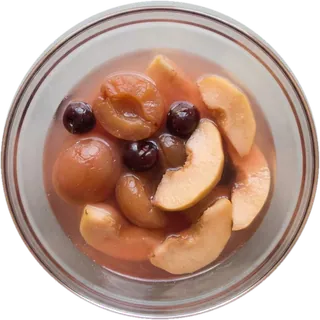
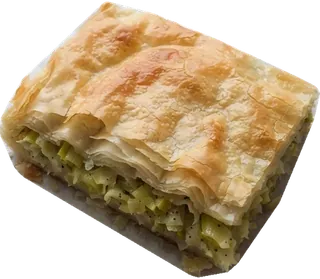
An apple needs nothing added to be what it is; the fruit itself carries no animal product at any stage, from blossom to the wooden rack it is sold from. The question only arises once it leaves the market stall: Korçë kitchens cook apples into reçel sweetened with sugar, or bake them into byrek me mollë, pastry brushed with gjalpë (butter) between the sheets, and a reçel jar is sometimes finished with a spoonful of mjaltë (honey). Bought whole, by the kilo, at a stall or a fair, an apple is plant-based without anything to ask about or settle.
Where to get it
Qark Korçë: the produce market in Korçë town, roadside stalls on the way to Voskopojë, and the stalls set up each autumn in Dardhë for its fair; a kilo runs about 60-100 lekë, more at the fair itself.