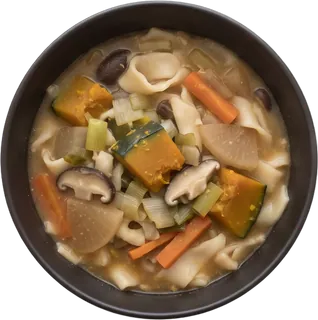
Oyaki
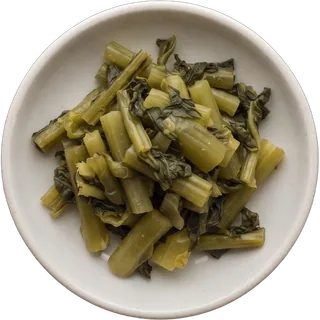
A disc of buckwheat or wheat dough folded round a handful of whatever the mountain gardens gave — pickled greens, aubergine in miso, pumpkin — then griddled and finished in the ashes.
How to order
野沢菜やなすのおやきをください。肉は入っていますか。
The traditional fillings are all vegetables — this was food from a region that grew almost no rice. Pick the greens or the aubergine-miso and only check that the shop has not added meat or stock to that particular filling.
History
Nagano’s cold mountain valleys, unsuited to rice, led farmhouses to develop oyaki from buckwheat and wheat: thin dough wrapped around seasonal produce, cooked on a griddle and often finished in hearth embers, eaten as an everyday hand-held meal.
Fillings (pickled nozawana, miso-simmered aubergine, kabocha) relied on growing, preserving or fermenting, making classic oyaki vegan by default; some shops now add pork or dashi, keeping the animal ingredient separate from traditional vegetable fillings.
Where to get it
Nagano city, Obuse and the farm restaurants of the Shinshu hills, steamed or griddled to order year-round.