Peanut Butter
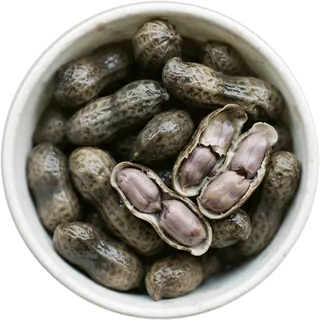
Roasted peanuts ground to a smooth or coarse paste, peanut butter is a Southern crop turned into the staple of the American lunchbox, spread thick on bread with jelly or banana since the early twentieth century.
How to order
Could I get the plain peanut butter, not the honey-roasted kind, please?
At the counter or in the aisle, ask for ‘plain peanut butter’ to steer past honey-roasted peanuts and honey-sweetened jars, which are sold as a different product from the standard spread.
History
Peanut butter was not invented by George Washington Carver, though that credit is often given to him. Marcellus Gilmore Edson patented a peanut paste in Montreal in 1884, and John Harvey Kellogg patented his own version at Battle Creek, Michigan, in 1895. Carver's work from 1903 at Tuskegee Institute in Alabama promoted peanuts as a rotation crop for Black Southern farmers whose cotton had been ruined by the boll weevil, publishing dozens of uses for the plant. Joseph Rosefield's 1922 patent for hydrogenated, non-separating peanut butter made the shelf-stable jar possible that most American households still buy.
Standard peanut butter is naturally vegan: peanuts, salt, sugar and palm oil, ground and sweetened, with no animal ingredient in the traditional jar. The place to check is the honey — some brands sell honey-roasted peanuts or honey-sweetened peanut butter, both marketed as a separate product from the plain spread. Grinding your own at a market or co-op scoop station settles the question outright, since whole peanuts go in and paste with nothing added comes out. A shopper reading a label for the plain jar checks for one short list: peanuts, salt, sugar, oil, and nothing else.
Where to get it
Sold in grocery stores across the country year-round, and ground fresh at natural-food markets, co-ops and some farm stands in Georgia and Alabama, where peanuts are a major crop.