Qingcao Cha
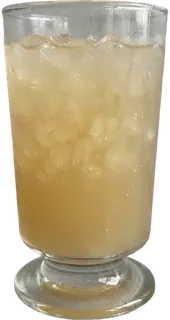
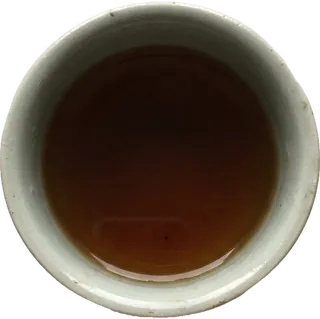
A dark herbal infusion boiled from mesona, houttuynia, beggarticks and other fresh or dried herbs, sweetened with rock sugar and drunk cold. It belongs to Wanhua in Taipei, where herb shops line Herb Lane beside Longshan Temple.
How to order
老闆,一杯青草茶,少糖。
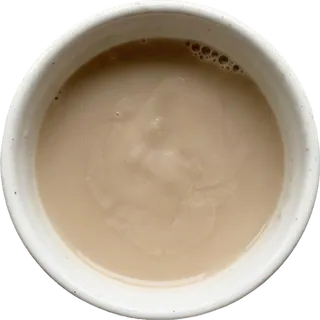
The herbs and water are never an issue; the sweetener can be, so ask 「是加糖還是加蜂蜜?」, meaning 'is it sweetened with sugar or with honey', and avoid the milk-blended herbal drinks some shops now list.
History
Qingcao cha has no fixed recipe: each shop boils its own mixture of herbs in a large pot for an hour or more, strains it and sweetens it. Mesona, houttuynia, beggarticks, wedelia and mint recur in most blends, with mint added off the heat at the end. In Wanhua the trade grew around Longshan Temple, where worshippers drew prescription slips and took them to the herb sellers in Lane 224 of Xichang Street, known as Herb Lane and also as the lifesaving lane. Shops there were the first in Taipei to price herbs by weight rather than by the seller's judgement, and some have traded for over a century.
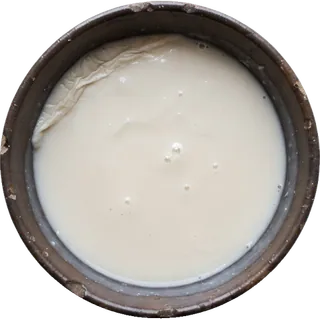
The drink is plant-based from start to finish: herbs, water and sugar, with nothing to clarify or enrich it, and the slight bitterness that mesona and houttuynia give is the point rather than a fault. The one place an animal ingredient enters is the sweetening. Most stalls use second-grade cane sugar, rock sugar or dark brown sugar, but a few shops adjust sweetness with honey, and some modern herb bars also sell versions blended with fresh milk. Both are visible on the menu board, so a diner only has to ask which sweetener went into the pot before buying a cup.
Where to get it
Herb Lane, Lane 224 of Xichang Street beside Longshan Temple in Wanhua, where long-standing shops including Sizhi and Lao Ji An sell it by the cup, busiest through the summer; herb shops near Yongle Market in Dadaocheng sell it too.