Surbtaler Hutzelweggen
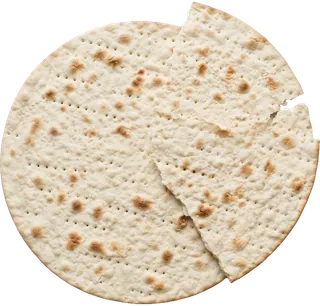
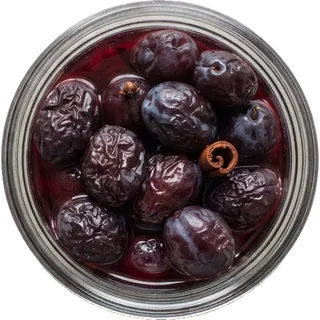
A dense fruit bread baked in the Surbtal villages of Endingen and Lengnau for Hanukkah, its dough rolled thin and layered thick with dried pears, prunes and walnuts before being coiled into a loaf and baked slowly until the fruit turns almost black.
How to order
Ich hätte gern einen Hutzelweggen, bitte.
Ask whether the loaf is ‘pareve’ — kosher-neutral, with no milk or egg — since some bakeries outside Endingen and Lengnau brush the coil with egg wash before the final bake.
History
Hutzelweggen was baked each winter for Hanukkah in Lengnau and Endingen, the two Surbtal villages where Jewish families lived until 1866. Bakers rolled the dough flat, spread it with a paste of dried pears, prunes, figs and raisins, then rolled it into a tight coil and baked it long and slow until the fruit layer set almost like a preserve. The name comes from Hutzel, the Swiss German word for a dried pear. Bakeries in both villages, some run by Jewish families and some working under supervision to keep the recipe kosher, produced the loaf through the nineteenth century and still do, the slow bake and dense fruit filling letting it keep for weeks after the holiday.
Everything in the dough and filling is plant: wheat flour, water, sugar, dried pears, prunes, figs, raisins, walnuts, and a dash of kirsch or pear brandy for the paste. The reason is kashrut rather than any plant-based intent: Hanukkah sweets had to be pareve, containing neither milk nor meat, so that a slice could be eaten at a meal built around either, and butter was therefore never an option in the Jewish-run bakeries. A diner today should still ask before buying from a general bakery outside the two villages, since some modern versions brush the coil with egg or milk-based glaze for shine before the final bake.
Where to get it
Sold at the village and kosher bakeries of Endingen and Lengnau in the Surbtal, and at Jewish community bakeries elsewhere in Switzerland in the weeks before Hanukkah, in late autumn or early winter.