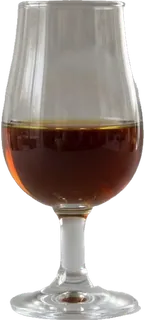
Tabaibo
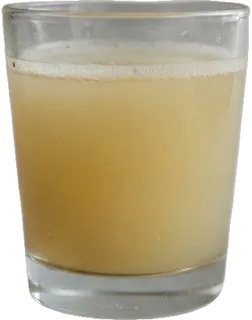
Tabaibo is the fruit of the prickly pear cactus, gathered from the dry stone walls and lower slopes of Madeira in late summer. The spined skin is cut away to reveal a seed-filled flesh eaten fresh, chilled, or spooned into a glass.
How to order
Queria uns tabaibos, por favor.
Buyers often ask for them already cut, saying “pode descascar, se faz favor”, since the spines make handling awkward at home; beyond that there is nothing to specify.
History
The cactus grows wild along terraced walls and the dry lower slopes of Madeira's south coast, around Câmara de Lobos and Ponta do Sol, where little else will take hold. Fruit ripens from August into September, turning from green to a deep yellow or magenta skin covered in fine spines. Growers and market sellers cut the fruit with a knife or tongs to avoid the spines, then score and peel it before selling. The flesh is eaten raw, chilled, or made into juice; seeds are swallowed or strained out depending on habit.
Tabaibo is entirely plant: cactus pulp, seeds and skin, nothing else is added. Portuguese kitchens nearby put bee honey into regional cakes and brittles, and work lard or butter into pastry and cake doughs, but tabaibo is eaten as picked, without sweetener, pastry or any cooked step, so neither applies. There is no cured pork, egg yolk or fish stock involved at any stage, since the fruit has no place in a soup, bean pot or convent sweet tradition.
Where to get it
Found at market stalls in Funchal, including the Mercado dos Lavradores, and sold roadside along Madeira's south coast from August through September.