ተልባ (Telba)
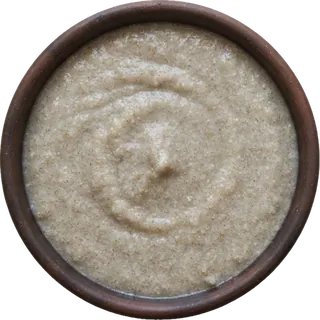
Flaxseed, roasted in a dry pan and ground to a fine meal, whisked into hot water with sugar until it thickens into a pale, faintly nutty drink. Taken at breakfast and to break the Wednesday and Friday fasts, it is made at home and sold by the cup at juice houses and small cafés in Amhara towns.
How to order
እባክዎ ተልባ ያለ ማር ይስጡኝ፣ አመሰግናለሁ።
The transaction runs in Amharic, at home as much as at a public counter. The only point to settle is the sweetener: asking for it “ያለ ማር”, without honey, covers a café or juice house, where the pitcher is mixed to order. At home, where a batch may already be whisked with honey earlier in the morning, the question only confirms what was used, since the pot cannot be resweetened once made.
History
Telba (ተልባ) is the Amharic word for flaxseed, Linum usitatissimum, and the same word names the drink made from it, common across the Amhara region, from Gondar and Bahir Dar to Debre Markos and Addis Ababa. Households roast the seed in a dry pan over a wood or gas fire until it darkens and releases its oil, then grind it fine at a local mill or on a stone quern at home. The meal is whisked into hot water with sugar until it thickens into a pale, nutty drink, taken hot or warm at breakfast and in the evening once the Wednesday and Friday fasts end. Juice houses and small cafés sell it by the glass alongside avocado and mango juices.
The drink is flax, water and sugar from start to finish; no animal product enters the pot at any stage of its making. The one variation happens at home, where some cooks replace the sugar with honey, stirring it in at the same point in the process, before the drink is served. At a café or juice house the question is simply which sweetener is in the pitcher that day, and asking before the glass is poured settles it. At home, where a batch may already be whisked with honey earlier that morning, asking only confirms what was used, not what can still be changed.
Where to get it
Juice houses, small cafés and home kitchens across Amhara towns — Bahir Dar, Gondar, Debre Markos, Dessie — sell it year-round, by the glass for roughly 15-30 birr.