Texas Caviar
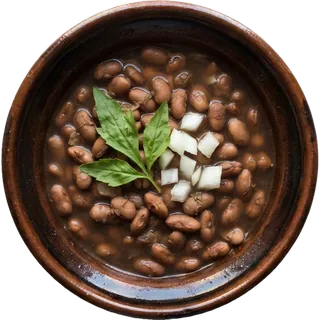
Black-eyed peas, diced onion, bell pepper and jalapeño sit in a sharp oil-and-vinegar dressing, served cold as a relish or scooped with crackers. Helen Corbitt invented it in Texas in the 1940s, naming a plain bean salad after an expensive one.
How to order
Could I get some Texas caviar, please?
At a deli counter or potluck table, ask whether the peas were ‘cooked plain’ rather than with bacon or ham stock, since the dressing itself is always oil and vinegar.
History
Helen Corbitt, a dietitian trained in New York, first served this at the Houston Country Club in the 1940s, then carried it to the Neiman Marcus restaurant in Dallas, where it stayed on the menu for decades. She dressed plain black-eyed peas in vinaigrette with onion and pepper and gave the dish a joke name, playing on the gap between a modest bean and a costly delicacy. Black-eyed peas eaten on New Year's Day for luck is a practice carried by African American Southern cooks, and Corbitt's cold, dressed version turned that New Year's dish into a relish served at parties and on buffet lines across Texas year-round.
Everything in the bowl is plant: black-eyed peas, onion, bell pepper, jalapeño, garlic, oil and vinegar. The animal product that shows up elsewhere in Southern bean cooking is pork, used to season peas as they simmer — salt pork, bacon grease or ham hock, as in hoppin' john. Texas caviar is naturally vegan because the peas here are boiled plain, drained, and dressed cold rather than cooked down in a pot with meat, but a caterer or deli counter can still fold in bacon bits for crunch or start from peas simmered in ham stock, so the diner checks how the peas were cooked before they ask about the dressing.
Where to get it
Texas supermarket deli counters and gatherings around New Year's Day carry it, along with Texas Hill Country markets and church potlucks through the summer.