Mesquite Flour
Mesquite pods, gathered from desert trees each June, are dried and ground whole into a flour with a sweet, cinnamon-like taste, used across Arizona and Texas in pancakes, cakes and cooling summer drinks.
How to order
Could I get a slice of mesquite flour bread, please?
At a bakery counter, ask ‘is this made with butter or eggs?’ to confirm the mesquite baked good or drink was mixed with water rather than dairy.
History
Tohono O'odham and Akimel O'odham (Pima) communities in the Sonoran Desert of southern Arizona have gathered pods from velvet and honey mesquite trees each June for centuries, drying and grinding the whole pod, pulp, seed and all, into a sweet flour once central to desert diets. Tohono O'odham Community Action, based in Sells, Arizona, has run a community mill since the 2000s, pressing growers' pods into flour sold at the Desert Rain Café and area markets. In Texas, mesquite stands along the Rio Grande supply home millers and small producers who grind pods after the summer monsoon harvest, continuing a practice documented among Southwestern peoples long before Spanish contact.
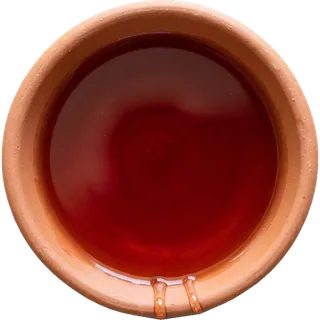
The pod itself is entirely plant: dried mesquite pods are milled whole, with no animal product anywhere in the flour, and the traditional atole-style drink made from it uses only water and the ground pod. Animal ingredients, when they appear in this cuisine, enter later, in the cakes, muffins and quick breads bakers fold the flour into, where butter, eggs or buttermilk may replace water, or in versions of the drink made with milk instead of water. A diner ordering mesquite flour baked goods or beverages settles whether the recipe used dairy or egg, not whether the mesquite itself is plant.
Where to get it
Native-owned bakeries and cafés in southern Arizona, such as Desert Rain Café in Sells, sell mesquite flour baked goods year-round, with fresh milling each summer after the June-July pod harvest, and it also turns up at farmers markets in Tucson and along the Rio Grande in Texas.