Prickly Pear Syrup
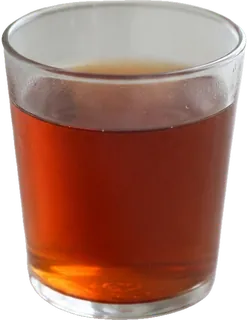
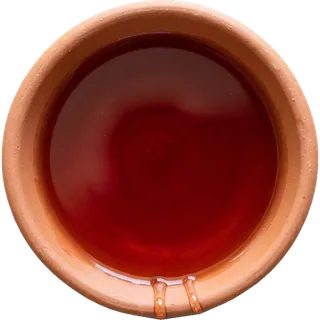
Boiled down from the magenta fruit of Opuntia cacti across the Sonoran Desert, this syrup carries a tart, melon-like sweetness used on pancakes, in lemonade, or poured straight over ice.
How to order
Can I get a bottle of prickly pear syrup, please?
Ask the vendor if it's ‘just fruit and sugar’ to make sure no honey has been swapped in as the sweetener.
History
Each July and August, Tohono O'odham families and Mexican American households across southern Arizona and New Mexico gather the ripe tunas, the magenta fruit of the prickly pear cactus, using tongs or folded cardboard to avoid the fine glochids that cover the skin. The fruit is rolled over an open flame to singe off the spines, then halved and pressed for juice. That juice is simmered down with sugar into a syrup, a practice recorded in Sonoran Desert households for generations and still carried on at roadside stands and in home kitchens each monsoon season, when the cactus fruits ripen after summer rains.
The syrup itself is just prickly pear juice and sugar, cooked down until it thickens, with no animal ingredient anywhere in the traditional method. Where a buyer has to pay attention is at the sweetener: some bottlers substitute honey for part or all of the cane sugar to market the syrup as more natural, which pulls it out of plant-based territory. A few commercial brands also add pectin, which is plant-derived, but it is worth confirming the label, since pectin and gelling agents are occasionally sourced from animal gelatin in processed fruit products. Asking whether the syrup is cut with honey settles the question.
Where to get it
Farmers markets and roadside stands across southern Arizona and New Mexico sell it bottled, especially from July through September during the prickly pear harvest, and it turns up at late-summer cactus fruit festivals in the region.