Navajo Tea
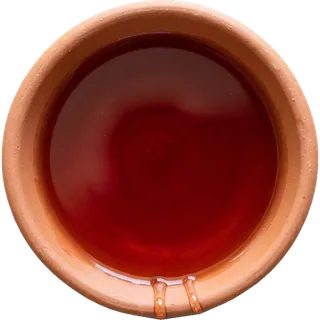
In Window Rock, Arizona, Diné families steep dried greenthread stems into a russet, earthy-sweet tea drunk hot through the cold months, a plant gathered wild each summer, bundled by hand, and kept without any animal ingredient in the pot.
How to order
Could I get a cup of Navajo tea, please?
Ask the server, ‘is there honey already in this?’ since households and stands sometimes sweeten the tea before serving it.
History
Greenthread, Thelesperma, grows wild across the high desert around Window Rock, Arizona, capital of the Navajo Nation, and Diné families have gathered its slender stems each August for generations, tying them into bundles and hanging them to dry under house eaves. Once cured, the stems keep for months and are steeped through the winter, producing a tea the color of rust that is served at breakfast and at gatherings. The practice continues today among Diné households, with bundles sold at roadside stands and trading posts near Window Rock alongside blue corn and other staple goods, often into the cold months of the year.
The tea itself carries no animal ingredient: greenthread stems and water are all that go into the pot, and the traditional drink has always been plant-only. Where an animal product can enter this cuisine is at the table, since honey is a common sweetener stirred into a cup after pouring. A diner who wants the plant-based version as traditionally made settles this at the counter or table, asking whether honey has already been added or keeping it on the side, since the tea itself needs no adjustment, only confirmation about what went into the cup before it was served.
Where to get it
Roadside stands, trading posts and the Navajo Nation Fair near Window Rock, Arizona, sell bundles of dried greenthread and brewed tea, most often through the fall harvest and winter months.