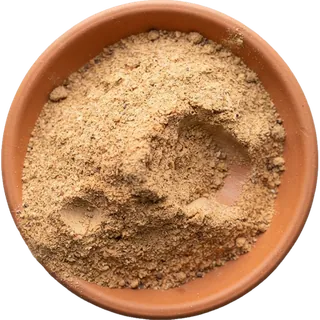
Cholla Buds
Cholla cactus buds, knocked from the plant with tongs each spring near Sells, Arizona, are brushed clear of spines, then pit-roasted or sun-dried for storage. The cooked buds carry a sour, earthy bite, eaten plain, folded into stews, or rehydrated throughout the year.
How to order
Could I get some cholla buds, please?
Ask the vendor ‘are these just cooked in water?’ to find out whether the buds were reheated plain or finished with butter or bacon drippings.
History
Tohono O'odham families in and around Sells, Arizona, harvest cholla cactus buds each spring, typically in April and May before the flowers open. Buds are knocked loose with wooden tongs or a forked stick, rolled in sand or brushed with a bundle of dried grass to remove the fine spines, then pit-roasted overnight over coals layered with green plant matter. Once cooked, the buds are sun-dried on racks for several days and stored whole or ground for use through the year, a practice documented among O'odham communities since well before Arizona statehood in 1912 and continued today by families and by the Tohono O'odham Community Action food program.
The buds themselves carry no animal ingredient at any stage: harvesting, spine removal, pit-roasting and later rehydration use only cactus, coals, sand and water, as the brief for this dish records. Where the question arises is afterward, in how rehydrated buds reach the plate — some households and restaurants outside the Tohono O'odham Nation sauté them in butter or bacon drippings alongside beans, or stew them with ham hock for added richness. A diner wanting the plant-based version settles whether the buds in front of them were reheated plain or in water, rather than finished with pork fat or dairy.
Where to get it
Roadside stands and the Sells farmers' market sell fresh cholla buds each spring, April through May; dried buds are sold year-round at Indigenous-owned grocers and at tribal fairs on the Tohono O'odham Nation.