Piki
Blue corn batter, thinned with water and a wash of ash, is wiped in a single film across a hot greased stone and peeled off in a sheet thin enough to see light through, then rolled into tight, crackling scrolls for eating by hand.
How to order
Could I get a roll of piki, please?
Ask the seller ‘is the grease lard or seeds?’, since some bakers now use lard where crushed seeds were once used.
History
Piki is baked by Hopi women on the Hopi mesas in northeastern Arizona, in villages including those near Tuba City, where a flat stone slab is heated over a fire built with cedar or greasewood. A thin blue-corn batter is spread across the stone in a single stroke of the bare hand, sets in seconds, and is peeled off and rolled while warm. The stone itself is often kept within one family for decades, seasoned and reheated for each baking. Piki is served at Hopi ceremonies, weddings and katsina dances, and also sold at roadside stands and village feasts on the reservation.
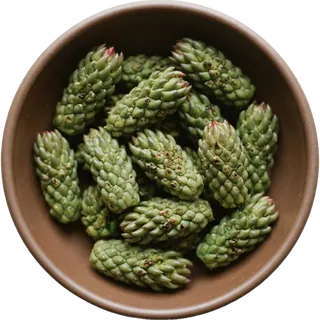
The batter itself is plant-based: blue cornmeal, water and a wash of culinary ash, usually juniper or saltbush, added for color and alkalinity. The question sits at the greasing step: historically Hopi cooks used crushed squash seeds or seed oil, not animal fat, so the traditional recipe carries no animal ingredient at all. Today the animal entry point is the grease itself, as some cooks use lard in place of seeds before baking. A diner buying piki off the reservation or at a stand therefore settles one thing: whether seeds and oil or lard went into the grease before the batter went on.
Where to get it
Piki is sold at village feast days and ceremonies on the Hopi mesas, and at roadside stands and trading posts around Tuba City and the broader Hopi reservation, especially around harvest and ceremonial seasons.