Ueong
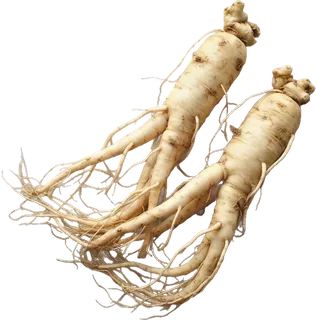
Burdock root is scraped of its skin, cut into thin sticks and simmered in soy sauce and jocheong until the liquid reduces to a dark, sticky glaze. It is a standing banchan in South Chungcheong kitchens, made in batches on the weekend and packed into school and office lunchboxes through the week.
How to order
이 우엉조림, 액젓 안 들어간 간장으로 만든 거예요?
Ueong-jorim itself has no meat, stock or egg in it, so there is usually nothing to settle before ordering. The only brand-level detail worth checking at a banchan counter is the soy sauce, since a few commercial brands add fish extract for savor; ask with “이 우엉조림, 액젓 안 들어간 간장으로 만든 거예요?” if you want to be certain.
History
Ueong-jorim (우엉조림) is made from burdock root, scraped clean of its brown skin, cut into thin sticks and briefly soaked in vinegar water to keep it from darkening. It is then simmered in soy sauce, jocheong and a little water until the liquid cooks down to a glaze that coats each stick dark and glossy. Burdock cultivation spread through Korea under Japanese colonial-era agriculture, and the dish settled into the banchan rotation of home kitchens in South Chungcheong and beyond, cooked in batches on weekends and kept in the refrigerator to fill out the rice table and packed lunches through the week.
The three usual points where animal product enters Korean cooking do not apply here: there is no kimchi paste needing jeotgal, no soup base built on myeolchi-yuksu, and no egg garnish laid across the top. Ueong-jorim is a dry braise of root, soy sauce, jocheong and a finish of sesame oil and seeds, plant-built from the pot to the side dish it ends up as. The one thing worth checking is the soy sauce itself, since a few brands sold for home kitchens are brewed with added fish extract rather than soybeans alone.
Where to get it
Banchan shops, market stalls and home kitchens across South Chungcheong Province, from Cheonan to Gongju, sold year-round by weight; a small container at a banchan shop runs 2,000-3,000 won.