Jangajji
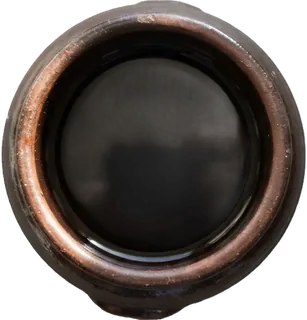
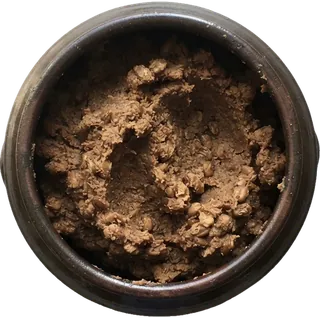
Perilla leaves, garlic scapes, green chillies, radish or wild mountain greens are packed into soy sauce, doenjang or gochujang and sealed in a clay jar for months, turning deep brown, soft and salty. Farming households in Chungcheongnam-do and Gyeongsangbuk-do keep jars running year to year, served alongside rice at almost every meal.
How to order
야채 장아찌로 주세요.
Jangajji sold loose at a market or served as banchan can include ganjang-gejang, raw crab preserved the same way in soy sauce, so at an unfamiliar stall ask “야채 장아찌로 주세요.” before it goes in the bag. The vegetables and jang are otherwise plant-based by default, though commercial ganjang and gochujang occasionally carry added anchovy extract, worth a second check if the brand is unfamiliar.
History
Jangajji (장아찌) is the long game of the Korean pantry: any vegetable in season — perilla leaf, garlic scape, green chilli, radish, mountain greens — is washed, dried and buried whole in soy sauce, doenjang or gochujang, sealed in a clay jar for weeks or months until the flesh turns translucent, dense and sharp with salt. It was built for a country without refrigeration: farming households in Chungcheongnam-do and Gyeongsangbuk-do made it to carry a season's surplus vegetables through the months when nothing grew, alongside the autumn kimjang stores, and it still appears as banchan on ordinary tables and at countryside restaurants serving rice-and-side-dish meals (hanjeongsik, baekban).
The base is vegetable and jang throughout — soy sauce, doenjang or gochujang made from fermented soybeans — with no jeotgal or anchovy stock built into the recipe itself, unlike kimchi or most soup bases. The complication is the word jangajji itself: the same jang-preservation method is used on seafood, most famously in ganjang-gejang, raw crab steeped in soy sauce, which is sometimes shelved and sold under the same name. A market jar or restaurant side labelled simply 'jangajji' may therefore be crab rather than vegetable, and separately, commercial ganjang or gochujang occasionally carries added anchovy extract for depth, so both are worth settling before the jar is opened.
Where to get it
Farmhouse-style restaurants (hanjeongsik, baekban) and open markets across rural Chungcheongnam-do and Gyeongsangbuk-do, sold by the jar or served as one of several banchan with any rice meal, year-round though most jars are started in early summer when perilla and garlic scapes are harvested; a small jar at a market runs 5,000-10,000 won, included free as banchan with an 8,000-12,000 won set meal.