Wala Wala
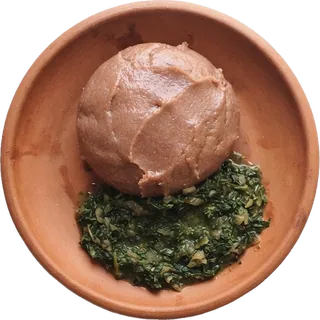
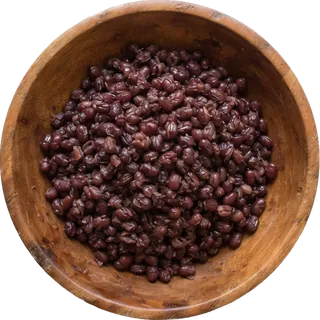
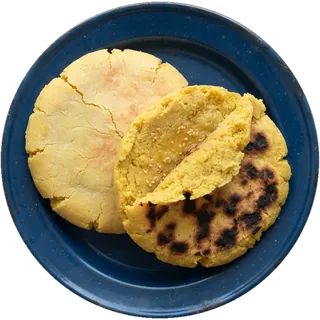
Wala Wala is a stiff porridge made from sorghum or maize grown on the banks of the Baro river, milled and cooked in water until it sets firm, then turned out and eaten with a relish of beans or boiled greens. It is a household meal along the rivers of Gambela, with fish from the Baro or Gilo often set alongside on the same plate.
How to order
እባክዎ ዋላ ዋላ ያለ አሳ ይስጡኝ።
The sale at Gambela town market or a roadside stall runs as often in Amharic as in Dhok Anywaa, since Gambela town draws buyers and traders from across the region. Asking for the dish “ያለ አሳ” (yale asa), without fish, covers it, since the fish is a separate piece on the plate rather than part of the pot. Nothing in the porridge or the bean relish itself needs settling.
History
Wala Wala is the Dhok Anywaa name for this porridge, made by Anuak households in Gambela region, in Ethiopia's southwest, along the Baro and Gilo rivers. Sorghum or maize is grown on small riverbank plots, harvested after the rains, dried, and pounded or milled into meal. The meal is cooked in water over an open fire and stirred until it thickens and sets firm, then turned out onto a plate. It is eaten at home at midday or in the evening, and sold at roadside stalls and in the central market of Gambela town, where traders from across the region buy and sell it alongside other grain foods.
The porridge itself is entirely plant: grain and water, nothing else. The relish eaten with it is also plant where it is beans or boiled greens. The one animal product in the meal is fish, taken from the Baro or Gilo and served as its own piece on the same plate rather than cooked into the porridge or the relish. Because the fish sits apart from the pot, settling the question is a matter of asking for the grain and the bean or green relish without the fish portion, something most vendors and households can do without touching what is already cooking.
Where to get it
Household kitchens, roadside stalls, and the central market in Gambela town sell it through most of the year, since sorghum and maize are harvested after the rains and stored; a plate runs about 15-25 ETB, more with a fish portion added.