Cambuulo
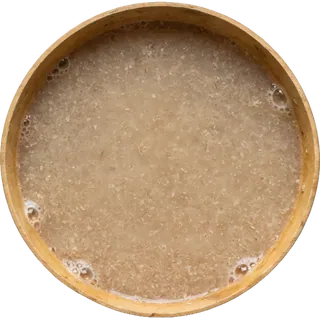
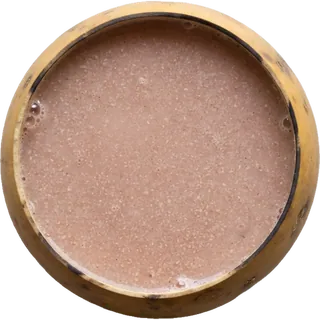
Azuki beans simmered for hours over a low fire in Jijiga households until the skins split and the flesh turns soft and nutty, then finished with sesame oil and a spoon of sugar. Eaten at the evening meal, cambuulo is sold warm from pots at market stalls and roadside stands across the town.
How to order
Fadlan, cambuulo oo subag la'aan ah ii keen, mahadsanid.
The sale in Jijiga's markets runs in Somali, with Amharic understood by most vendors. Asking for cambuulo “subag la'aan,” without butter, works if the vendor keeps a second pot or ladles from a plain batch, but once a single shared pot has had subag melted into it, there is no way to pull it back out of a bowl. Confirming before the bowl is filled, rather than after, is what actually matters.
History
Cambuulo is the Somali name for a bean dish particular to the Somali Regional State of Ethiopia, cooked and sold through Jijiga and the smaller towns around it. Market vendors and household cooks soak azuki beans overnight, then set them over a low charcoal or wood fire for several hours until the skins split and the beans turn soft. The pot is finished with sesame oil and sugar and served warm in the evening, a dish also set out after sunset during Ramadan to break the day's fast quickly. It is sold from large pots at stalls in Jijiga's markets and along its main streets, scooped into bowls to order.
The beans, sugar and sesame oil are entirely plant; sesame oil is the fat most households use to finish the pot. Subag, clarified butter, is the usual alternative, stirred in near the end of the simmer in place of the oil, so it melts through the split beans before the pot leaves the fire. The animal product therefore enters during cooking, not at the table, and once subag has gone into a pot, asking afterward changes nothing. What has to be settled beforehand is whether the vendor or household will finish the dish in oil instead.
Where to get it
Market stalls and food stands in Jijiga and the smaller towns of the Somali Regional State sell cambuulo in the evening year-round, with a rise in sales after sunset during Ramadan; a bowl runs about 20 to 35 birr.