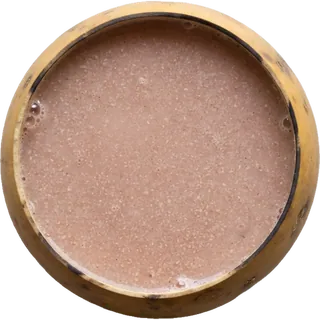
Canjeero
Canjeero is a thin, spongy pancake made from a fermented batter of sorghum, maize or wheat flour and cooked on one side only on a flat metal griddle. Vendors and households in Jijiga make it each morning and sell it warm at breakfast stalls, torn by hand and dipped rather than used as a plate.
How to order
እባክዎ አንድ ካንጄሮ ያለ ቅቤ እና ያለ ማር ይስጡኝ፣ አመሰግናለሁ።
The sale at Jijiga's breakfast stalls runs in Somali, though Amharic, as the federal working language, is also understood there. Asking the vendor for the pancake “ያለ ቅቤ”, without butter, and “ያለ ማር”, without honey, covers both additions, since butter and honey go on only after the canjeero is already cooked. A meat sauce, maraq, sometimes replaces them, so it is worth naming that too if it is not wanted.
History
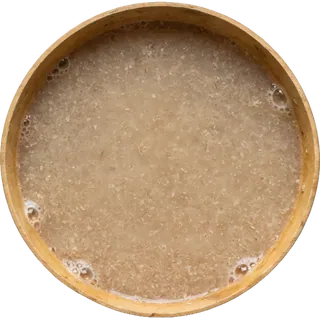
Canjeero is the Somali name for a fermented flatbread also known as lahooh or lahoh further east along the Somali coast; the word is Somali, the language spoken across Jijiga and the surrounding Somali Region of Ethiopia. Women in home kitchens and vendors at roadside breakfast stalls mix sorghum, maize or wheat flour with water and a portion of old batter or yeast, leave it to ferment overnight, then pour thin rounds onto a hot flat griddle, cooking each one on a single side until the surface sets into small bubble holes. It is sold hot in the early morning, stacked and wrapped in cloth, alongside sweet tea.
The batter itself is plant: flour, water and the fermentation that sours it, cooked on a dry or lightly oiled griddle with no animal product in the mix. Animal product enters afterward, at the table: a vendor or a cook spreads the warm pancake with subag, clarified butter, and drizzles it with honey, or ladles a meat sauce, maraq, over torn pieces. Nothing in this is fixed to the cooking, so what has to be settled is said before the butter or the sauce goes on, not after. Jijiga's Somali-speaking households keep no Orthodox Tewahedo fast, so the question is not a calendar one; it is simply whether butter, honey or meat touches the plate that morning.
Where to get it
Breakfast stalls and home kitchens across Jijiga and other towns of the Somali Region sell canjeero each morning, typically from dawn until mid-morning, for roughly 10 to 20 ETB a stack of two or three pieces.