Zhizai Bing
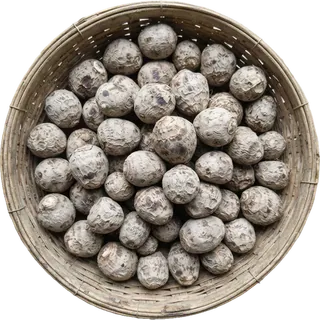
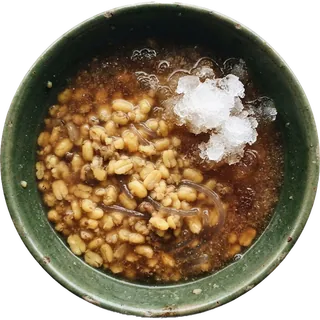
An ice lolly of sugar water frozen on a stick, made in Pingtung city's old ice shops in flavours such as red bean, mung bean, taro, peanut, pineapple and sour plum, and sold for a few coins apiece.
How to order
老闆,紅豆枝仔冰一支。
Avoid the milk and salted egg flavours, and ask whether the base of the one you want has milk powder in it with 「這支有加牛奶或奶粉嗎?」, which some shops use across all their lollies.
History
The Taiwanese name ki-a-ping means a stick ice, and the method is simple: sweetened liquid poured into metal moulds, the moulds packed in salt and crushed ice, a stick pushed in before the mixture sets hard. Ice-making arrived in Taiwan under Japanese rule and the trade spread from the plants to pushcart sellers; the shop most often cited as the first, opened in 1926, was in Qishan in Kaohsiung. Pingtung city kept its own shops rather than its own origin story. One ice parlour in the city has been making lollies for more than seventy years, another has traded since 1978, and a third since the 1980s, each boiling its own fillings daily.
This is the entry in this list where a diner has to choose. The fruit and bean flavours are sugar, water and the ingredient itself: red bean and mung bean cooked down like a sweet soup and frozen, taro, peanut, pineapple, sour plum, mulberry. Milk is a flavour in its own right at every one of these shops, salted duck egg is another, and some makers add a little milk powder to the base of all their lollies to stop them freezing grainy. That is the exact point to check, and the counter will answer it directly, since the plant flavours are the bulk of what they sell.
Where to get it
Long-running ice parlours in Pingtung city, including shops near the railway station and in the older streets of the centre, which sell lollies from chest freezers at a flat price per stick, busiest through the summer.