Aiyu
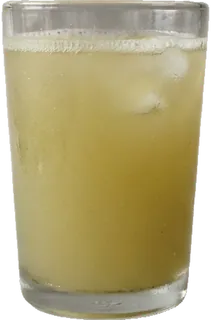
A pale golden jelly washed by hand from the seeds of a climbing fig that grows only in Taiwan, served cold in a glass with lemon and sugar syrup. Alishan Township in Chiayi County produces more of the fruit than anywhere else.
How to order
老闆,一杯檸檬愛玉,謝謝。
No gelatin is involved — the jelly sets on plant pectin and the calcium in the water — so the only thing to check is the syrup: 「是用糖還是蜂蜜?」, meaning is it sweetened with sugar or honey.
History
Aiyu comes from the female figs of Ficus pumila var. awkeotsang, a vine endemic to Taiwan and pollinated only by its own fig wasp. Fruit is peeled, split open and dried so the tiny achenes are exposed; five kilos of fresh fruit dry down to about one. The seeds go into a cloth bag and are rubbed in water for five to ten minutes, releasing pectin and a pectin esterase that, with the calcium in ordinary hard water, sets the liquid at room temperature within the hour. Chiayi County leads national production and Alishan Township leads the county; Tsou collectors work wild stands at Lijia, Dabang and Shizilu under forestry concessions, with harvest running from autumn into winter.
The jelly sets through plant pectin crosslinked by calcium ions, with no heating, no gelatin and no animal setting agent of any kind — in fact oil or fat in the bowl will stop it setting altogether, so the equipment has to be scrupulously clean. The syrup poured over it is usually sugar and lemon, both plant. The one point to watch is a shop that sweetens with honey, which is common enough to be worth a question, and jellies sold as aiyu that are in fact konjac or gelatin imitations. Ask for hand-washed aiyu with sugar and lemon.
Where to get it
Stalls and tea houses in Alishan Township and along the Alishan Highway, and shops on Fenqihu Old Street further down the mountain road; dried seeds for washing at home are sold by growers in the township through the autumn and winter harvest.