Gukeng Liuding
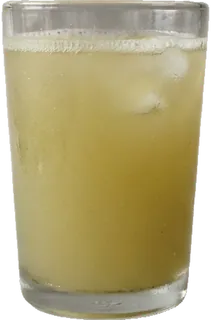
A thin-skinned sweet orange grown on the slopes of Gukeng Township in Yunlin, Taiwan's largest producing district. It is eaten fresh in segments or pressed by hand into juice, and is picked from November into the new year.
How to order
老闆,柳丁一袋多少?
Whole fruit and fresh-pressed juice are orange alone; at stalls selling orange biscuits, doughnuts or jam, ask 「有加奶油、蛋或蜂蜜嗎?」, meaning 'is there butter, egg or honey in it?'.
History
Gukeng grows more sweet orange than any other township in Taiwan, around a thousand hectares and roughly a quarter of national production, with some thirty-three thousand tonnes recorded in 2022, well ahead of the next district. The orchards sit on the hill slopes around Hebao Shan, where the day-to-night temperature swing is wide and rainfall plentiful, giving thin skins and heavy juice. The trees carry small white flowers in March, and picking runs from November into January, with fruit left on the tree towards the winter solstice reaching its fullest flavour. The township office holds an orange festival in December at the Green Tunnel and in the 228 Park.
The fruit, and the juice pressed from it, are orange and nothing else; the sweetness and acidity are the plant's own and no sweetener, dairy or setting agent is involved. Where an animal ingredient enters is in the processed goods sold at the festival and at farm shops: orange biscuits and orange doughnuts made with butter, milk and egg, and jams and candied slices that may be finished with honey rather than sugar. A diner buying fruit, or juice pressed in front of them with nothing added, avoids all of it; for anything baked or bottled, read the label.
Where to get it
Roadside stalls and orchards around Hebao Shan in Gukeng, the Gukeng Farmers' Association, and the orange festival held by the township office each December at the Gukeng Green Tunnel or the 228 Park; the season runs November to January.