Beigang Mayou
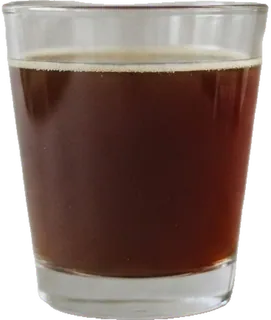
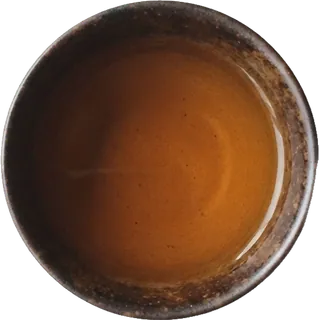
Sesame oil pressed from roasted seed in the oil houses of Beigang in Yunlin County, dark and heavy from black sesame or paler from white. The town's pressing trade sits around the Chaotian Temple.
How to order
老闆,一瓶黑麻油。
The oil is pressed seed alone, so nothing needs checking in the bottle; the care is at the table, since the dishes it is famous for are chicken-based, so order it over plain noodles or greens rather than as 麻油雞.
History
Beigang has pressed oil since the Qing period, when oil houses worked on commission making peanut, sesame and tea seed oil. The method still followed runs through seven stages: the seed is screened clean, roasted slowly in a wide pan, cooled, ground, steamed and formed into cakes, bound with an iron hoop and squeezed in the press the trade calls a iu-pong, then left to settle rather than filtered hot. Roasting depth decides everything; black sesame roasted dark gives the heavy oil used in winter cooking. Yuan Fu has pressed at the temple forecourt for five generations, Yi Chang was founded in 1966, and the Hsu family shop sits on Zhongshan Road.
The bottle holds pressed seed and nothing else, with no refining agent and no animal ingredient; the lighter aromatic grade is made by grinding white sesame to a paste and separating the oil from it. The confusion is with the dish rather than the oil. Sesame oil is best known in Taiwan through mayou ji, chicken simmered in sesame oil, rice wine and ginger, and through the postpartum cooking built around it, so the name carries a meat association the ingredient does not. Used over noodles, in sesame oil noodle soup or for frying greens with ginger, it stays entirely plant-based.
Where to get it
From the oil houses clustered by Beigang Chaotian Temple and along Zhongshan Road, including Yuan Fu at the temple forecourt and Yi Chang nearby; pressing follows the peanut and sesame harvests, and demand peaks in winter.