Amagwinya
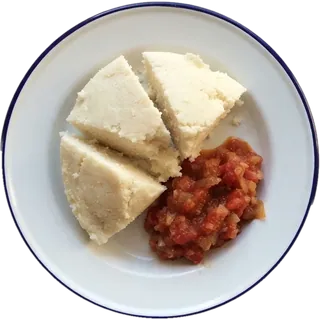
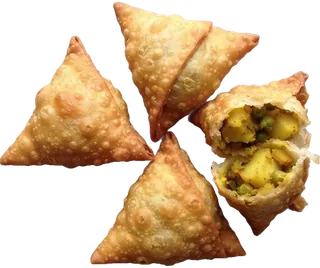
Fist-sized balls of yeasted dough, deep-fried until golden outside and hollow inside, sold hot from street-corner pots. Vendors split them open for atchar, chips or sugar beans, or stuff them with polony and mince; schoolchildren and commuters buy them hot every morning at taxi ranks.
How to order
Ngicela amagwinya ngaphandle kwenyama, ngiyabonga.
Plain amagwinya already comes without animal product in the dough or the fryer, so the only thing to settle is whether the vendor has already split and stuffed it with mince, polony or cheese; naming the filling to leave out and asking “ngaphandle kwenyama”, without meat, covers it. Most township stalls run the transaction comfortably in English as well as isiZulu.
History
Amagwinya is the isiZulu name for deep-fried balls of yeasted dough, sold hot from paraffin-heated pots at street corners, taxi ranks and school gates across South Africa's townships, including Soweto and the towns of KwaZulu-Natal. Vendors mix flour, yeast, sugar and salt, let the dough prove, then tear off fist-sized pieces and fry them in oil until the crust is dark and the inside hollow. Afrikaans speakers call the same dough vetkoek; Sesotho and Setswana speakers call it magwinya. The bread has fed migrant workers and schoolchildren on tight budgets since apartheid-era influx control concentrated Black South Africans in townships far from formal shops.
Flour, yeast, sugar, salt and oil make the dough and the fryer: nothing animal enters a plain amagwinya, and the plain version, split open with atchar or a scoop of sugar beans, is what most vendors sell by default. The animal product comes later, at the vendor's table or the eater's choice, when the fried ball is split and stuffed with polony, mince or cheese, or when a vendor still fries in lard rather than vegetable oil. What has to be settled is the filling and the frying fat, not the dough itself.
Where to get it
Street stalls and spaza-shop corners across Soweto and the towns of KwaZulu-Natal, fried fresh from early morning through midday near taxi ranks and school gates. A plain amagwinya costs a few rand, more once filled with mince or polony.