Stywepap
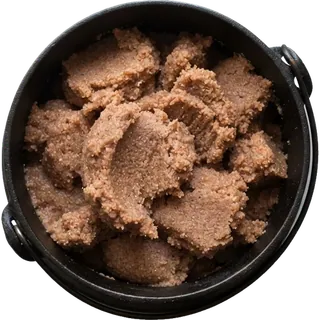
A firm block of maize meal and water, boiled down thick, poured into a dish to set, then turned out and sliced into wedges. It is the stiff porridge served beside a braai across the Free State, North West and Gauteng, cut to hold its shape next to grilled meat and sauce.
How to order
Kan ek asseblief stywepap sonder botter of melk kry?
At a braai the pap is usually already plain, but at home or from a stall it may come with butter or milk stirred in; asking “Sonder botter of melk, asseblief” confirms a plain pot. Braai stands in these provinces often run service in a mix of Afrikaans and English, so the phrase lands either way.
History
Stywepap takes its name from Afrikaans: stywe, stiff, and pap, porridge, the firm-set version of maize meal eaten across the maize belt of the Free State, North West and Gauteng. Maize meal and water are cooked down thick, poured into a pot or dish to set, then turned out and cut into wedges or blocks beside a braai. Maize became Southern Africa's staple grain after European contact, and pap in its various forms was issued to migrant mineworkers on compounds under apartheid-era contract labour, a role that shaped how widely it spread; Sesotho and Setswana speakers call the same dish bogobe.
Maize meal, water and salt make the pot; everything that holds the porridge's shape comes from the grain itself. Butter or milk sometimes gets stirred in once it's dished up at home, softening the stiff block into something closer to a mash, but the pap cut and served beside the braai is usually cooked plain, just meal, water and salt boiled down. What has to be settled is whether a cook finishes it with butter or milk at the table, not whether the pot itself contains meat or stock, since neither is used in stywepap at any stage.
Where to get it
Braai stands, farm stalls and township eateries across the Free State maize belt, North West and Gauteng, sold as a side with grilled meat for around R15 to R25 a portion, year-round, busiest at weekend braais.