Mabele
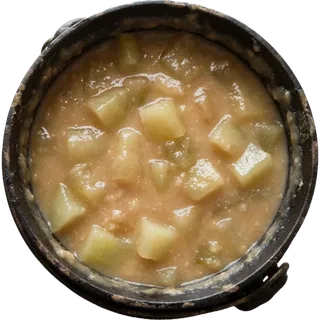
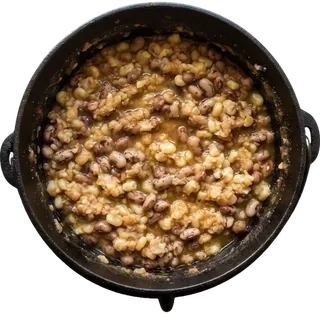
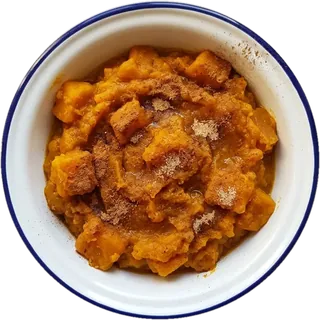
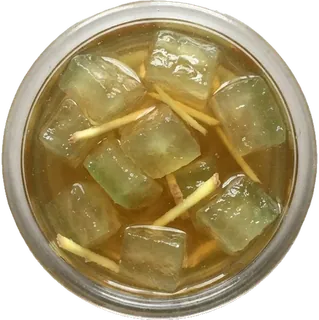
Sorghum grain, ground fine and cooked into a stiff porridge or malted and left to ferment into a sour, lightly alcoholic beer. Grown on the summer-rainfall plains of the Free State and North West, it is eaten as breakfast porridge in rural households and brewed for weddings and ancestral ceremonies.
How to order
Ke kopa mabele, hle.
At the mill or home stall, ask for it “ntle le lebese, hle” — without milk, please — since maas is usually stirred in only once the porridge is dished up, not cooked into the pot. Supermarket counters selling bagged mabele meal usually run in English instead of Sesotho.
History
Mabele is Sesotho for sorghum; Setswana, spoken across most of the North West, uses the same word, while Zulu and Xhosa speakers call it amabele. The grain grows on the summer-rainfall plains of the Free State and North West, sown in October and harvested by April. Women mill it into meal, cook it into a stiff porridge called bogobe, sour it into motoho, or malt it to brew joala, the sorghum beer poured at weddings, initiation feasts and ancestral rites. Sorghum fed the region before maize arrived; colonial and mission agriculture pushed maize as the staple, and mine compounds later rationed migrant labourers on maize meal instead.
The grain itself is plant: sorghum, water, and for the beer, natural airborne yeasts that start the ferment once the mash goes sour. Nothing in the base recipe calls for milk, meat or fat. Where dairy enters is at the table, not in the pot — some households stir in maas, fermented sour milk, to soften and enrich the porridge once it is dished up. What has to be settled, then, is whether that spoonful of maas goes in before the bowl reaches you, which is simply a matter of asking.
Where to get it
Village stalls, church-hall cook-ups and home kitchens across the Free State and North West sell bogobe ba mabele by the bowl at breakfast time, and co-op mills in towns such as Bethlehem and Mahikeng grind and bag mabele meal year-round, a 5kg bag running under R50. Joala is brewed at home for weddings and rites rather than bought.