Lerotse
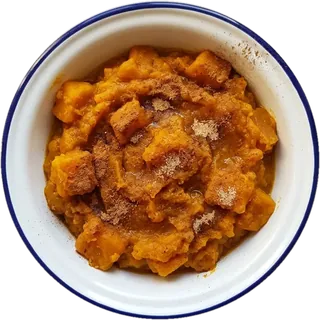
A pale, thick-skinned melon that grows through the dry months on the sandveld, its flesh cut up and simmered into sorghum porridge until the pot turns soft and faintly sweet. Bogobe jwa lerotse is a late-summer dish, eaten at home across the North West and Free State when the melons ripen.
How to order
Ke kopa bogobe jwa lerotse, tsweetswee.
Milk is the only variable to clear; asking for it to be left out — “kwa ntle ga mashi” — settles the pot, and in the North West and Free State towns where this is cooked the exchange runs in Setswana or Sesotho rather than English.
History
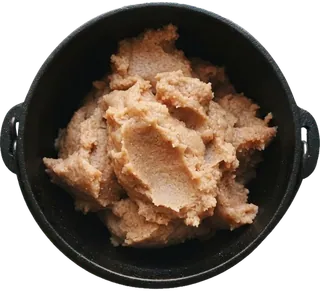
Lerotse is the Setswana name for a pale, round melon that grows across the dry grassland of the North West and the Free State, where Sesotho speakers use the same word for it. The melon ripens at the end of summer, when its flesh is diced and cooked into a pot of sorghum meal and water to make bogobe jwa lerotse, eaten at midday or kept going for several days once the melons come in from the fields. Sorghum was the staple grain of this region before maize, introduced and promoted under colonial rule, displaced it as the everyday crop.
The melon, the sorghum meal and the water that make up bogobe jwa lerotse are all plant. Some households stir in milk toward the end of cooking, to thicken the porridge further or soften its tartness, and a few serve it with a spoon of soured milk, madila, alongside; neither is universal, and plenty of pots are finished on melon and sorghum alone. What has to be settled, then, is whether milk went into this particular pot or will be added at the table, not whether the base of the dish is plant — it always is.
Where to get it
Home kitchens and village eating-houses in the North West's Bojanala Platinum and Ngaka Modiri Molema districts, and in parts of the Free State, make it from late summer into autumn, the weeks after the melons are picked. Where it is sold, a bowl costs about the same as any other plate of sorghum pap, roughly R20 to R30.