Bogobe
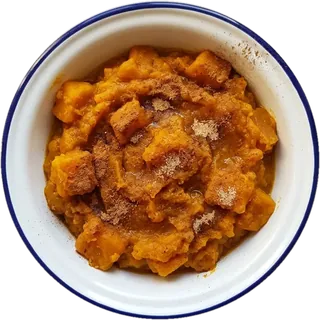
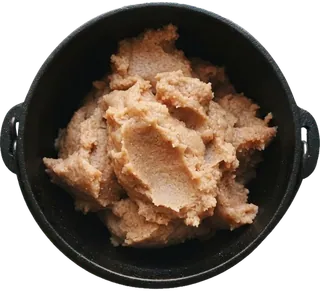
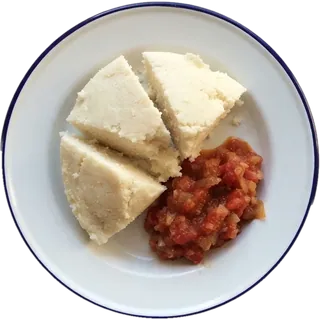
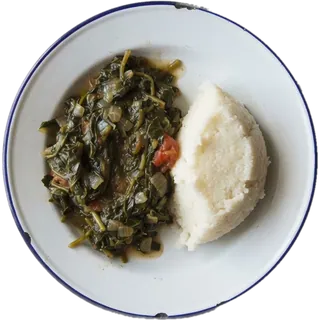
Ground sorghum meal cooked slowly in water into a soft, thick porridge, stirred until smooth and spooned out next to beans, morogo or stewed lerotse melon. Tswana households across North West province cook it as the daily cooked-grain meal, eaten at midday or in the evening.
How to order
Ke kopa bogobe jwa mabele ntle le mashi, tsweetswee.
Ask whether the pot is bogobe jwa mashi, the milk version, since the milk goes in while it cooks and not afterward: “Ke kopa bogobe jwa mabele ntle le mashi, tsweetswee.” In smaller North West towns the counter usually runs in Setswana, though English is common in Mahikeng and other larger towns.
History
Bogobe is the Setswana word for this soft porridge, cooked from mabele, sorghum ground fine at a local mill or on a stone. It is the staple cooked grain of Tswana households across North West province, eaten daily with beans, morogo or lerotse melon from the summer fields. Sorghum suited the region's dry soils better than maize and was grown there long before maize became South Africa's dominant grain. Under apartheid, much of this land was folded into the Bophuthatswana bantustan, and many men left for the Rustenburg and Johannesburg mines while women kept the fields and the pot.
The base is nothing but mabele and water, stirred over the fire until it thickens into porridge — a plant dish from the first measure of meal. Some households finish the pot with fresh or soured milk stirred straight in, a version known as bogobe jwa mashi, and that milk goes in during cooking, not spooned on at the table afterward. The plain pot, bogobe jwa mabele, carries no milk at all. What has to be settled before eating is simply which pot is on the fire that day — the milk version or the plain one.
Where to get it
Home kitchens and township eateries across North West province, from Mahikeng to Zeerust, Vryburg and Lehurutshe, serve it at midday and again at supper. A plate with beans or morogo runs roughly R25 to R40 at a local pap stand or café.