Arroz com Pequi
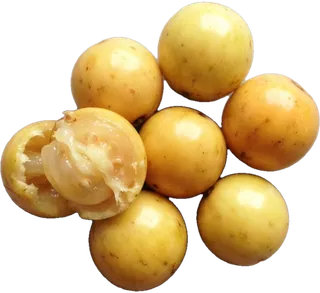
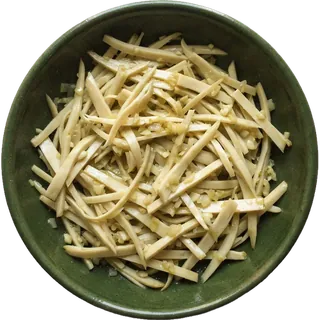
Rice cooked in a single pot with whole pequi fruits until the grain turns yellow and the kitchen fills with the fruit's sharp scent. The fruit is worked off the stone with the teeth, in careful bites, since fine spines cover the pit beneath the pulp. Sold at lunch counters and markets in Goiânia and Brasília through the pequi season.
How to order
Um arroz com pequi para mim, sem frango e sem caldo de galinha, pode ser?
The sale and the kitchen both run in Portuguese. Asking “tem frango ou caldo de galinha no arroz?” before ordering covers most restaurant versions, since that is the one point where the pot can still be changed. At a comida-a-quilo counter, where the tray comes from a pot cooked earlier, there is nothing left to settle — the stock is already in the grain.
History
Arroz com Pequi pairs Portuguese arroz, rice, with pequi, the Tupi name for the fruit of Caryocar brasiliense, a tree of the Cerrado grasslands of central Brazil. In Goiás and the Federal District, cooks in Goiânia and Brasília prepare it from fruit gathered beneath pequizeiro trees on Cerrado land from September into January, then sold fresh at the CEASA feira and the Goiânia Mercado Municipal. Garlic is fried in oil, rice and whole pequi fruits are added with their skins on, and the pot cooks through so the oil and juice drawn from the fruit colour every grain. The dish is served at lunch counters, family tables and comida-a-quilo counters across both cities through the season.
Rice, pequi, garlic, onion and oil are entirely plant, and a pot made from those alone cooks into a complete dish. Chicken, sliced sausage or a spoonful of chicken stock (caldo de galinha) go into the same pan in most restaurant and home versions, stirred in with the rice well before it reaches the table, not added afterward. Where a cook takes the order before the pot goes on the fire, leaving these out is a straightforward substitution. Where the rice comes from a steam table or a pot started that morning for comida a quilo, the stock and any meat are already worked through the grain, and no request at the counter changes that.
Where to get it
Lunch counters, comida-a-quilo restaurants and the Goiânia Mercado Municipal and CEASA feira in Goiânia, with equivalent markets and restaurants in Brasília, sell it chiefly from September to January when pequi is in fruit, for roughly R$25 to R$45 a plate.