Askoek
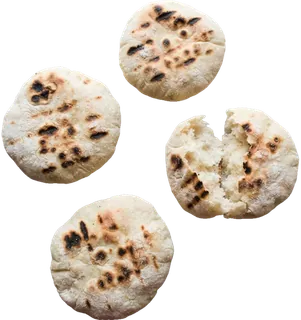
Dough of flour, water and salt, buried straight in the coals of a dying fire until the crust blackens, then knocked clean before eating. Griqua, Khoe and trekboer households across the Karoo and Namaqualand have baked it this way wherever no oven stood, from sheep-shearing camps to stock-post kitchens.
How to order
Kan ek 'n askoek sonder vet kry, asseblief?
Since fat is sometimes worked into the dough before baking, ask for it plain: “Kan ek 'n askoek sonder vet kry, asseblief?” Most farm stalls and padstalle across the Karoo and Namaqualand run in Afrikaans first, with English as the fallback for visitors.
History
Askoek takes its name from the Afrikaans as, ash, and koek, cake: dough pushed into the embers of a dying fire and left until the outside goes black. It belongs to the Karoo and Namaqualand, dry country settled by Khoe and San herders long before trekboers moved their flocks inland and took the land under Dutch and British colonial rule. Shepherds, stock-post workers and farm families baked it where no oven existed — out on the veld, at shearing time, on trek with the sheep — using one coal fire for both warmth and bread.
Flour or stone-ground meal, water and salt make the dough, with a pinch of yeast or sourdough starter in some kitchens to lift it; none of that is animal. Fat is worked into the dough in some versions, usually sheep-tail fat or butter, rubbed in before the ash goes over it. That one addition is the only point where an animal product enters, and it happens in the mixing, not at the table — so a plain askoek, made with only flour, water and salt, is what needs asking for.
Where to get it
Farm stalls, padstalle and Sunday markets across the Northern Cape's Karoo and Namaqualand towns — Upington, Kenhardt, Springbok — sell it alongside other veld bread, usually a few rand a loaf, more often baked at home than bought.