Rooibos
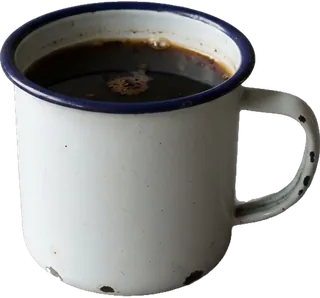
The needle leaves of Aspalathus linearis, found wild only in the Cederberg, are cut, bruised and left to oxidise red in the sun before drying. Farms around Clanwilliam, Western Cape, process most of the crop, and the tea is drunk black or with milk at any hour across South Africa.
How to order
Rooibostee sonder melk en heuning, asseblief.
Asking for it swart, 'black', already keeps milk and honey out of the cup. If someone else is pouring, confirm with “Sonder melk en heuning, asseblief” — “without milk and honey, please” — bearing in mind that many farm stalls around Clanwilliam run the counter in English as often as Afrikaans.
History
Rooibos is Afrikaans for 'red bush', the common name for Aspalathus linearis, a needle-leaved shrub that grows wild only in the Cederberg mountains near Clanwilliam, Western Cape, and is now also farmed further north in the Suid-Bokkeveld of the Northern Cape. Other South African languages mostly keep the Afrikaans name unchanged. Khoe and San people harvested and drank it long before Dutch and then Afrikaner settlers took over the land it grows on; a commercial industry began in the early twentieth century after a local farmer learned from Khoe harvesters where ants cache the seeds, the only way to find enough to sow a field.
The tea itself is nothing but leaf and water: the Aspalathus needles are steeped in a pot or cup of boiling water, and no animal product enters at any stage of growing, cutting, oxidising or drying. What gets added afterward is a matter of habit rather than the dish itself — many South Africans stir in milk, or sweeten the cup with honey or sugar, but black rooibos needs neither. The only thing to settle, if the cup is being poured by someone else, is whether milk or honey go in before it reaches you.
Where to get it
Farm stalls and tea rooms around Clanwilliam in the Cederberg, Western Cape, sell it loose by the kilogram alongside honeybush; it is also grown around Nieuwoudtville in the Northern Cape and sold boxed in every supermarket in the country, a 250 g box running under R40.