Mosbolletjies
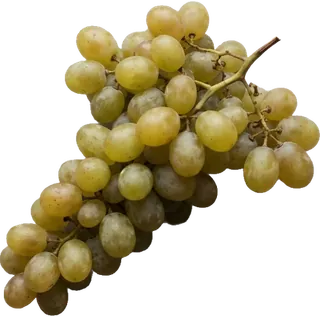
Small sweet buns leavened with fresh grape must instead of commercial yeast, scented with aniseed and baked pressed together into one loaf. Western Cape farm kitchens make them each autumn when the wine grapes are pressed, and often dry the leftover buns into rusks for the months that follow.
How to order
Het u mosbolletjies sonder botter en melk, asseblief?
At a farm stall or bakery, ask whether the dough was made with butter or milk, since modern recipes often use both: “Het u mosbolletjies sonder botter en melk, asseblief?” Many Boland farm stalls run their counter in English as readily as Afrikaans, so the question lands just as well either way.
History
Mosbolletjies is Afrikaans, from mos, the grape must pressed each harvest season across the Boland — around Paarl, Worcester, Stellenbosch and Robertson. The dough was once leavened entirely by the must's natural ferment, before commercial yeast reached Cape farms, then shaped into small balls packed tight in a loaf tin so the buns rose joined together. The custom took shape in the kitchens of Cape wine farms, where enslaved people, and later indentured and bonded labourers, did the baking for the households that owned the land and the vines. Surplus buns were sliced thick and dried hard into rusks, kept through the months before the next harvest.
Flour, grape must, sugar and aniseed form the base, and in the oldest versions the must itself did the leavening, so nothing in the dough came from an animal. Most bakeries and farm stalls today enrich the dough with butter and milk, and some brush the baked loaf with a milk or egg wash before the final bake, so the version sold at a counter is usually not plant-based by default. What has to be settled is whether that batch used butter, milk or a glaze, and whether the rusks were dried with any dairy added, since recipes vary farm to farm.
Where to get it
Farm stalls and padstalle along the Boland wine route — Paarl, Wellington, Robertson, Worcester — sell them fresh during the harvest months of February and March, and as dried rusks year-round; a loaf or a bag of rusks runs under R40.