Bijajica
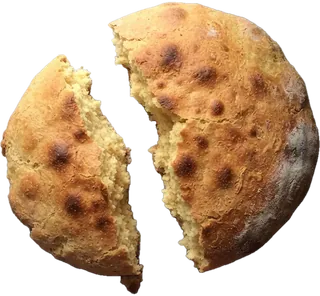
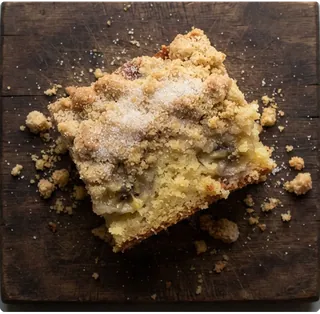
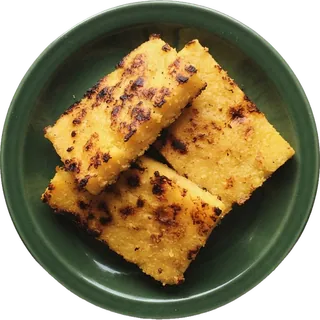
Raw cassava grated fine and mixed with pounded roasted peanuts, pressed into a round cake, wrapped in banana leaf and steamed over a wood fire. Guarani Mbyá cooks on the Santa Catarina coast sell it at village stalls and craft fairs, cut into wedges for eating by hand.
How to order
Me vê uma bijajica, com rapadura, por favor?
The sale runs in Portuguese even though the cake carries its Guarani Mbyá name. Asking whether it is “com rapadura” or “sem açúcar” settles sweetness, not animal content, since the cake carries none either way. Nothing about butter, egg, or stock needs checking here.
History
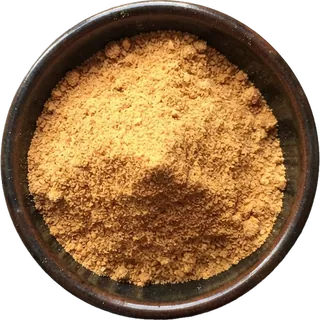
Bijajica is a Guarani Mbyá word, used alongside Portuguese in the same communities, for a cassava-and-peanut cake made in villages (tekoa) along the Santa Catarina coast, including Tekoa Marangatu at Morro dos Cavalos in Palhoça, M'Biguaçu in Biguaçu, and settlements near Garuva. Guarani Mbyá cooks peel and grate raw cassava, pound roasted peanuts, and work the two together, sometimes with raw cane sugar (rapadura), into a firm paste. The paste is shaped into a round cake, wrapped in banana leaf, and steamed over a wood fire for about an hour. It is sold at roadside stalls along BR-101 and at craft fairs in Florianópolis and nearby towns, most often on weekends.
Everything in the cake is plant: cassava, peanuts, and, in some batches, raw cane sugar. No animal product enters at any stage, whether cooked over the fire or added afterward at the stall. Unlike many dishes sold alongside it at the same markets, nothing has to be settled with the seller before buying; the only question worth asking is whether a given cake was made with sugar or left plain, which changes sweetness rather than content.
Where to get it
Sold at roadside stalls run by Guarani Mbyá vendors along BR-101 in Palhoça, Biguaçu, and Garuva, and at craft fairs and markets in Florianópolis, most reliably on weekends; a cake or thick slice runs about R$5 to R$10.