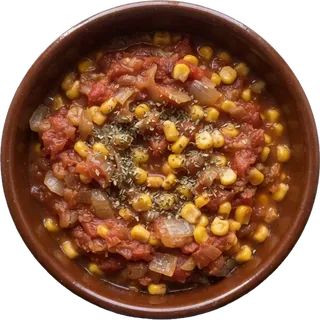
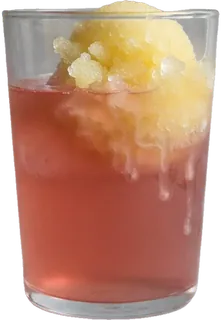
Borgoña
Red wine is mixed with chopped strawberries and sugar, then left to sit for an hour or more while the fruit bleeds its color and sweetness into the liquid. It is poured by the glass at every fonda during the Fiestas Patrias in September, found across Santiago's Región Metropolitana.
How to order
¿Me da un vaso de borgoña, por favor?
There is nothing to clear with the vendor: the jug is wine, strawberries and sugar, mixed before the stall opens, so simply ask, “¿Me da un vaso de borgoña, por favor?” The only unresolvable variable is whether the wine itself was clarified with gelatin or egg white at the winery, a detail no fonda can answer.
History
Borgoña takes its name from Burgundy, the French wine region, borrowed into Chilean Spanish for a mix of red wine, chopped strawberries and sugar stirred together and left to macerate. It is a Fiestas Patrias drink above all, sold by the glass or the jarro at fondas and ramadas set up every September across the country, from the Parque O'Higgins fondas in Santiago's Región Metropolitana to small-town plazas further south. Strawberries ripen in central Chile from October, so early-season drinks are often made with frozen or shipped-in fruit, and vendors keep large jarros mixing through the week of national celebrations, pouring it alongside empanadas and anticuchos at the same stall.
The drink itself is three ingredients: red wine, chopped strawberries and sugar, macerated together in a jug or barrel and never heated or thickened with anything else. The one variable lies upstream, in the wine itself — some producers fine their wine with egg white, gelatin or isinglass to clear sediment before bottling, a step invisible in the glass and not something a fonda vendor can answer on the spot. For anyone strict about it, the only real question is which bottle went into the jug, not what else went in at the stall.
Where to get it
Fondas and ramadas across Santiago's Región Metropolitana, from Parque O'Higgins to neighborhood lot parties, set up for the week of Fiestas Patrias in the third week of September; a glass costs CLP 1,500-2,500, a full jarro to share runs CLP 8,000-12,000.