Terremoto
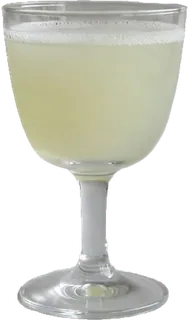
A litre glass of pipeño mixed with grenadine, topped with a scoop of pineapple ice cream that melts slowly into the wine. It was invented in a bar near Santiago's Mercado Central and is drunk through the afternoon and into the night, especially around Fiestas Patrias.
How to order
¿Me trae un terremoto con sorbete de piña, por favor?
The ice cream is the only part that isn't plant, so ask for it with sorbet instead of ice cream when you order: “¿Me trae un terremoto con sorbete de piña, por favor?” Most central Santiago bars stock pineapple sorbet already, since the request is common.
History
Terremoto - Chilean Spanish for earthquake - is said to have been invented at a cantina near Santiago's Mercado Central sometime in the 1980s, though which earthquake gave it the name is disputed. The base is pipeño, a cloudy, barely fermented young wine made each autumn by small growers in the Maule and Ñuble regions, traditionally drawn straight from the barrel at rural fiestas rather than bottled and aged like fine wine. Bartenders mix it with grenadine in a tall glass and float a scoop of pineapple ice cream on top. A second round is called a réplica, aftershock, and the joke is that it hits harder than the first.
Pipeño is fermented grape juice and nothing else, and grenadine is pomegranate syrup and sugar; both are plant. The ice cream is the only animal product, and it goes on at the bar when the drink is assembled, not stirred into anything cooked beforehand. Most bars in Santiago already keep pineapple sorbet behind the counter, since drinkers ask for it often enough for reasons that have nothing to do with vegetarianism, so the swap is a matter of saying so before the glass is poured, not a special order the kitchen has to improvise.
Where to get it
Cantinas and bars in central Santiago, including the old-style ones near the Mercado Central, pour it year-round, heaviest in the afternoons and around Fiestas Patrias in September; a litre glass runs CLP 3.000-5.000.