Sopaipillas
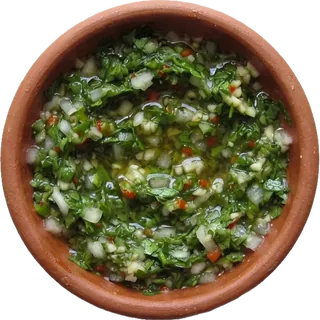
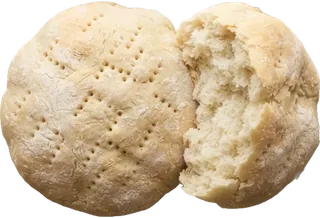
Discs of pumpkin-enriched wheat dough are fried until puffed and golden, then split open and dressed with pebre or mustard. Sold from carts along Santiago's sidewalks on cold, rainy afternoons, from Bellavista to the port streets of Valparaíso.
How to order
Unas sopaipillas sin manteca, por favor.
At the cart the frying fat is set for the whole batch, so asking changes which cart or batch you buy from rather than what's already in the oil; ask before buying, not after it's wrapped in paper, with “Unas sopaipillas sin manteca, por favor.”
History
Sopaipillas take their name from the Andalusian Spanish sopaipa, carried to Chile during Spanish colonization, and the dough was adapted here with mashed zapallo, Chile's winter squash, worked into wheat flour. They are fried in deep pans or woks set up on street corners in Santiago's Región Metropolitana and in Valparaíso, appearing whenever the weather turns cold and wet, roughly June through August. Vendors sell them split open, dressed with pebre or mustard, or dipped later in chancaca syrup as sopaipillas pasadas. They are eaten standing, from a paper bag, walking home in the rain rather than at a table.
The dough itself is plant: wheat flour, mashed pumpkin, water, salt and a leavening agent. Lard is the traditional fat worked into the dough and used for frying, giving the disc its characteristic short, slightly crisp edge; many street carts and home cooks have switched to vegetable oil for both the dough and the fryer, partly for cost and partly for taste, but manteca still turns up, especially at older stalls and in home kitchens following family recipes. What has to be settled, before the dough goes into the fryer, is whether that fat is lard or oil.
Where to get it
Street carts and stalls along Santiago's sidewalks and plazas in the Región Metropolitana, and along the hills and waterfront of Valparaíso, selling heaviest on rainy afternoons between June and August. A bag of four or five runs CLP 1,000-1,500, with single sopaipillas pasadas, finished in chancaca syrup, going for about CLP 500 at the same carts.