Camas
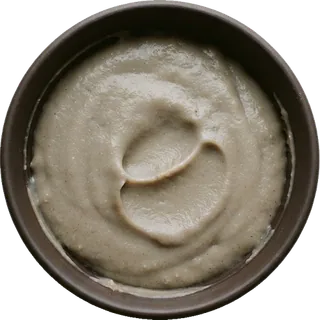
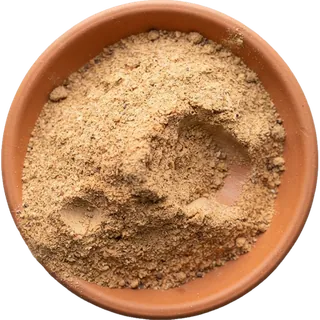
Camas bulbs, dug each spring from wet prairies in the Willamette Valley and the Columbia Plateau, are pit-roasted for a day or more until their starch turns to dark, sticky sugar. The result is dense, smoky and sweet, eaten whole or pounded into cakes for winter storage.
How to order
Could I get some roasted camas, please?
At a market stand, diners confirm the cakes haven't been reworked with added fat by asking ‘is this just camas, nothing added?’
History
Camas was a staple root for the Kalapuya peoples of the Willamette Valley in Oregon and for Coast Salish and Yakama communities across the camas prairies of Washington, dug with wooden digging sticks after the blue flowers faded so the bulb would not be mistaken for the toxic white-flowered death camas. Harvesters returned to the same meadows generation after generation, often burning them each fall to keep the ground open. The bulbs were layered with hot stones, bark and grass in an earth pit, covered with soil, and left to steam for a day or two days, turning the starch to sugar and the flesh a deep brown.
The bulbs and the pit are the whole dish: no butter, stock or fat goes into traditional camas, since the long roast needs nothing but heat and time to turn starch to sugar. Animal products enter later in the meal rather than in the pit itself, when camas cakes or syrup are sold alongside salmon, venison or, in modern kitchens, butter-glazed versions made for a sweeter finish. A diner buying camas as a snack or dessert checks only that nothing has been added after the roast, since the pit-cooked bulb on its own carries no animal ingredient at all.
Where to get it
Available at tribal-run markets and First Foods events hosted by the Confederated Tribes of Grand Ronde, the Yakama Nation and other Plateau nations, and at spring camas-digging gatherings in Willamette Valley and Columbia Plateau meadows.