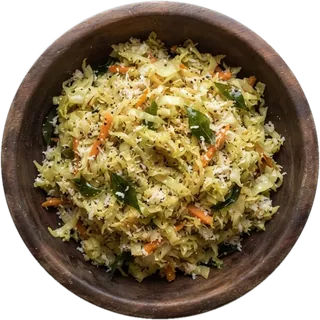
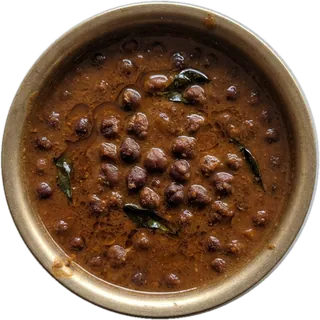
Chakka Puzhukku
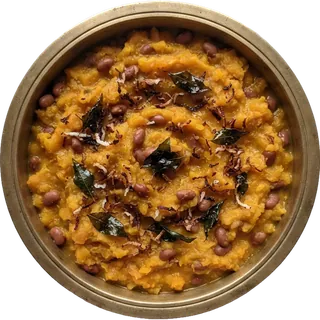
Chakka puzhukku mashes steamed jackfruit with grated coconut, cumin and green chilli into a coarse, earthy side dish eaten with rice in Kerala households, and served as one of the vegetable dishes in the Onam sadya feast.
How to order
ഒരു ചക്ക പുഴുക്ക് തരുമോ?
At an Onam sadya or a Kerala eatery serving mixed vegetable dishes on a banana leaf, it is worth asking ‘ഇതിൽ നെയ്യ് ചേർത്തിട്ടുണ്ടോ?’ (has ghee been added to this), since a neighbouring dish on the same leaf sometimes carries it, even though chakka puzhukku itself is usually plain.
History
Chakka puzhukku is made across Kerala households from raw or semi-ripe jackfruit, cut into pieces, boiled or steamed until soft, then mashed coarsely with grated coconut, cumin seeds, green chilli and a few shallots or garlic. It appears as an everyday side dish alongside rice and as part of the Onam sadya served on banana leaves in late August or September. Cooks in Thrissur, Palakkad and Kottayam districts prepare it with jackfruit grown in home gardens, timing it to the jackfruit season between March and July, when raw fruit is plentiful and cheap before it ripens and sweetens.
The standard preparation uses only jackfruit, grated coconut, coconut oil, cumin and green chilli, with no dairy or other animal ingredient at any stage, making it naturally vegan as traditionally made. In home kitchens no ghee is added, though in some Onam sadya spreads a separate dish on the same banana leaf may carry a spoon of ghee, so a diner ordering chakka puzhukku specifically rather than the full sadya is not affected by that practice. Restaurants occasionally finish other sadya items with ghee, but chakka puzhukku itself does not call for it in the Kerala tradition.
Where to get it
Chakka puzhukku is served in Kerala households, at small eateries offering a rice meal, and as one item within the Onam sadya laid out on banana leaves during the August-September festival season.