Kadala Curry
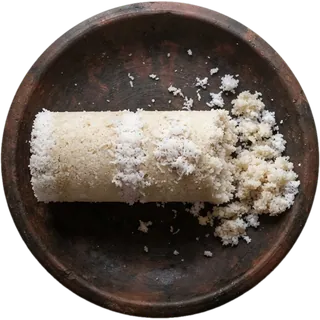
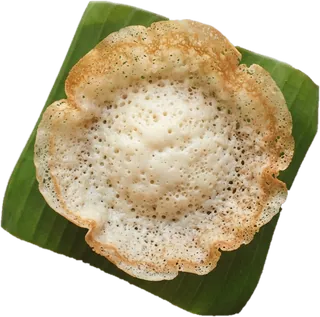
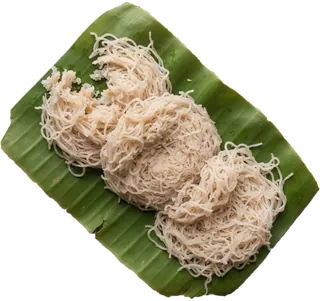
Kadala curry is a dark, thick gravy of black chickpeas simmered with roasted coconut, chilli and curry leaf, eaten across Kerala as a breakfast side to puttu, appam or idiyappam. Dry-roasted coconut, ground into a paste, gives the gravy its colour, body and nutty base.
How to order
ഒരു കടല കറി തരുമോ?
To make sure the serving stays plain, ask ‘നെയ്യ് ചേർക്കുമോ?’ — "do you add ghee?" — since some stalls finish the gravy with a spoon of it or fry the garnish shallots in it.
History
Kadala curry is documented as a fixture of Kerala's breakfast counters from the mid-20th century, served alongside puttu and appam in tea shops and toddy shops across Thiruvananthapuram, Kochi and Kozhikode, though black chickpeas and coconut have long been staple pantry items on the coast. Cooks soak dried kadala overnight and boil it, then separately dry-roast grated coconut until it darkens before grinding it with chilli, coriander and fennel into a paste. This paste is fried in coconut oil with mustard seed, shallot and curry leaf, after which the boiled chickpeas and their liquid go in and the pot is simmered down into a thick gravy. Small eateries along the coast still prepare it this way each morning.
The standard recipe has no animal product in it: coconut oil carries the frying and coconut paste carries the body and thickness, both plant in origin, and no ghee, curd or milk goes into the pot. What a diner still watches for is embellishment added at the counter rather than in the base recipe — some urban restaurants spoon ghee over the finished gravy for richness, or top it with ghee-fried shallots before serving. Asking for the dish without this finishing touch returns it to the plain tea-shop version, which does not rely on it for flavour or texture.
Where to get it
Tea shops and toddy shops across Kerala serve kadala curry at breakfast alongside puttu, appam or idiyappam, from Thiruvananthapuram to Kozhikode. It also turns up at roadside breakfast stalls and small hotels that open early for the morning trade.