Thoran
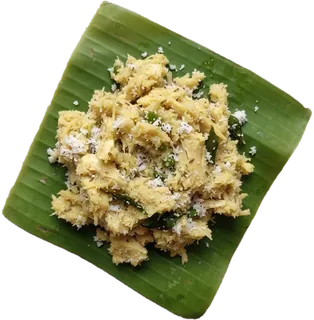
Thoran is a dry stir-fry of finely chopped vegetables or greens tossed with grated coconut, mustard seeds and curry leaf, cooked in coconut oil. It is eaten across Kerala as a side dish with rice, part of the everyday meal and the Onam sadya spread.
How to order
ഒരു തോരൻ തരാമോ?
Since thoran is cooked in coconut oil rather than ghee, confirming is simple: ask ‘നെയ്യ് ചേർത്തിട്ടുണ്ടോ?’ — "have you added ghee?" — and expect a quick no in most kitchens.
History
Thoran is documented from household cooking across Kerala, recorded as part of the sadya meal served on plantain leaf during Onam and other festival occasions, and as an everyday accompaniment to rice in Kozhikode, Thrissur and Alappuzha. Cooks finely chop vegetables such as cabbage, beans, yam or raw plantain, or greens like amaranth, and stir-fry them briefly in coconut oil with mustard seed, dried red chilli, curry leaf and grated coconut, keeping the dish dry rather than saucy. The method follows the wider Kerala pattern of cooking in coconut oil and finishing with raw grated coconut, a practice recorded in regional Malayalam cookbooks from the early twentieth century and still followed in kitchens across the state.
Thoran carries no animal ingredient in its standard form: the fat is coconut oil, pressed from copra, and the finishing touch is fresh or lightly roasted grated coconut, both plant material. No ghee, milk, curd or other dairy enters the recipe at any stage, and no cook adds it as a matter of course. The one point worth checking is in hotel or wedding-catering kitchens, where a cook preparing a large sadya spread occasionally finishes the pan with a spoon of ghee for extra richness before serving; asking for thoran "without ghee" or confirming it is "coconut oil only" removes any doubt in such settings.
Where to get it
Thoran is served in Kerala meals-hotels and thattukadas as part of a rice plate, in temple and festival feeding halls during Onam and Vishu, and at home alongside a pot of rice, dal and pickle for the midday meal.