Charquicán
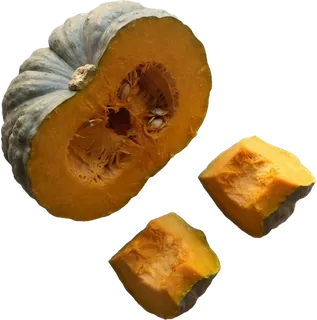
Pumpkin, potato, corn and beans are boiled down until soft, then mashed together into one thick orange pot, usually finished with browned charqui or ground beef and a fried egg on top. It is weekday lunch food across central and southern Chile, from Santiago to the Biobío region, especially in the cooler months.
How to order
¿Me puede traer un charquicán sin carne y sin huevo, por favor?
Charquicán is usually built with meat already stirred into the mash and a fried egg added at the end, so both need to be requested out at the moment of ordering, with the phrase “¿Me puede traer un charquicán sin carne y sin huevo, por favor?” Home cooks can leave both out from the start, but at a fonda or picada the pot is typically made with meat before anyone orders.
History
Charquicán is named in Quechua, from charqui, meat dried in strips in the sun, a preservation method used in the Andes on llama and alpaca before Spanish colonization introduced cattle, which took over as the source. The vegetable base underneath — pumpkin, potato, corn and beans, boiled soft and mashed into one pot — is older, built from crops native to the Americas. The dish is cooked today across central and southern Chile, from Santiago through the Maule valley to Concepción in the Biobío region, served hot at the midday almuerzo, especially in autumn and winter when pumpkin and charqui are both on hand.
The vegetables carry the dish: pumpkin, potato, corn and beans, boiled down and mashed into one mass, are what make charquicán charquicán, and are plant on their own. Animal enters twice, both times after the vegetables are cooked: charqui, or more often today minced beef, is browned and stirred through the mash, and a fried egg is set on top just before serving. Both additions happen in the kitchen, not at the table, so what needs settling before the pot is built, or asking before the plate goes out, is whether meat went into the mash and whether an egg is going on it.
Where to get it
Fondas, picadas and home kitchens across Santiago, the Maule region and Biobío, served at lunch year-round and especially through the colder months from April to September; a plate at a picada runs CLP 3,000-5,000.