Chèvre
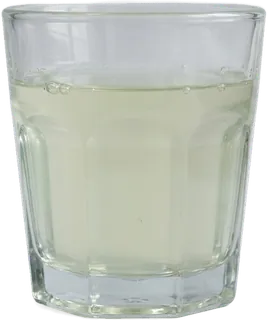
A pale, faintly fizzing apple or grape juice drunk half-fermented along the Lake Geneva shore, poured from stoneware jugs while still working and still sour enough to pucker the mouth.
How to order
Vous me servez un chèvre, s'il vous plaît ?
At a caveau or farm stand, ask whether the batch was fined and with what, since some bottled versions are clarified using gelatin; a jug drawn straight from the press and sold as ‘non collé’ has had nothing added at all.
History
In the vineyard terraces of Lavaux and La Côte, and in the orchard country around Geneva, pressers kept back a portion of fresh must each autumn and let it sit a few days before it was fully fermented into wine or cider. The half-finished juice, still cloudy and lightly carbonated from active yeast, was drawn off into stoneware jugs and served to pickers and pressers during the vendanges, roughly from mid-September into October. Vaud vineyard workers called it chèvre locally, a name tied to the kick of its bite rather than to any goat's milk, and the term traveled with the practice into Geneva's cider-producing communes.
Nothing here has ever required an animal ingredient: the drink is pressed fruit juice, water if diluted, sugar to taste, and the wild or added yeast that drives the first days of fermentation. The only point worth checking is downstream of the press, not in it — some bottled ciders and grape musts sold commercially are clarified with gelatin or isinglass fining agents before sale, which a home-pressed or caveau version normally skips entirely. Ask whether the batch was fined and with what, and otherwise there is nothing to settle.
Where to get it
Vineyard caveaux along the Lavaux and La Côte routes above Lake Geneva, and farm stands in the Geneva countryside, open chiefly during the vendanges from mid-September through October.