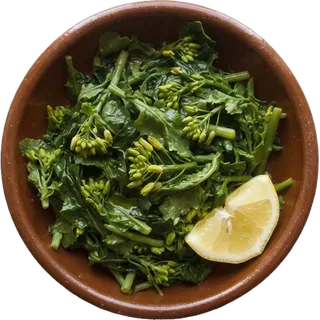
Digüeñes
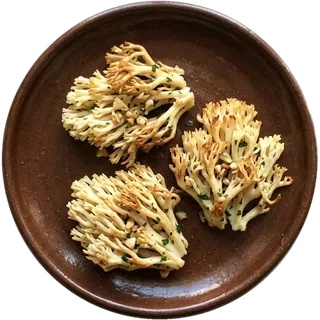
Pale golden fungus balls erupt on the branches of hualle and ñirre oak for a few weeks each spring, knocked down with long poles before they spoil. Mapuche families and rural pickers across Araucanía and Biobío eat them raw within days, tossed into salad with tomato, onion and oil.
How to order
¿A cómo están los digüeñes, por favor?
The dish is plant through and through, so there is nothing to clear with the seller beyond settling the price; the exchange at the feria runs in Chilean Spanish, and asking “¿A cómo están los digüeñes, por favor?” is enough to buy a bag before they spoil.
History
Digüeñes is the Mapudungun name for a fungus, Cyttaria espinosae, that grows in golden clusters on the branches of hualle and ñirre oak across Araucanía, Biobío and the lake country further south; Chilean Spanish calls the same fungus pan de indio. The balls appear for only a few weeks each spring, usually October and November, and Mapuche families and rural neighbors knock them down from high branches with long poles before they spoil. The harvest falls on land that was Mapuche territory, Wallmapu, until the Chilean state occupied it during the so-called Pacification of Araucanía in the late nineteenth century and confined communities to reducciones.
Everything in the bowl is plant: the fungus itself, raw and never cooked, tossed with chopped tomato, onion, oil and salt, sometimes a splash of vinegar or lemon. No animal product enters at any stage, in the kitchen or at the table, since the dish is nothing more than a foraged fungus dressed like a salad. The only thing worth checking at a stall or restaurant is whether mayonnaise or cheese has been added as a modern addition, which happens occasionally in city versions but never in the traditional rural preparation.
Where to get it
Roadside stands and ferias across Araucanía and Biobío, especially around Temuco, Lonquimay and Cunco, for a few weeks in October and November; a kilo bag runs CLP 2,000 to 3,000, sold by the handful or weighed loose.