Avellana Chilena
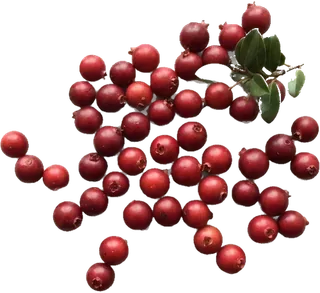
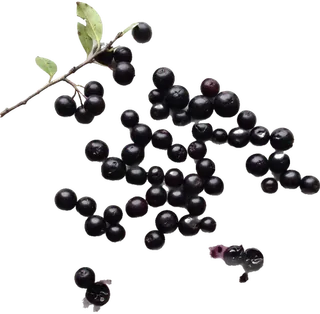
Round red-to-black nuts from the gevuin, a tree native to the temperate forests of southern Chile, roasted whole and salted, or dried and ground into flour. Mapuche families have gathered them each autumn in Araucanía and Biobío for generations, selling them roasted at roadside stands and town ferias.
How to order
¿Me vende un cartucho de avellanas tostadas, por favor?
Nothing needs clearing with the vendor: gevuina nuts are plant throughout, whether roasted plain, salted or candied in caramelized sugar. If a sugar coating isn't wanted, ask for them 'sin azúcar, por favor' — the stall runs in Chilean Spanish either way.
History
The gevuin is a native tree of the temperate rainforest that runs through Araucanía, Biobío and the Ríos region, and Mapuche families have gathered its nuts each autumn for generations, from the forest floor after they fall in March and April. In Mapudungun the tree is gevuin, the word behind its botanical genus, Gevuina; Chilean Spanish calls the nut avellana chilena, after the unrelated hazelnut of Europe it resembles only in shape. The nineteenth-century occupation of Wallmapu by the Chilean state cut off much of this forest from Mapuche hands, and gathering rights over native stands remain contested in parts of the region today.
Everything that goes into the roasting pan is plant: the nut itself, salt, and sometimes sugar for a candied version sold at fairs. No animal product enters at any stage, whether the nuts are roasted whole, pressed for oil or ground into flour. The only thing to settle is sweetness, not content: a vendor's cartucho may already be coated in caramelized sugar, and asking for the plain roasted and salted version is the only real choice to make.
Where to get it
Roadside stands and feria stalls in Temuco, Cañete and Valdivia, heaviest right after the March-April harvest but sold from stored stock through the rest of the year; a small cartucho runs CLP 1,000-2,000.