Maqui
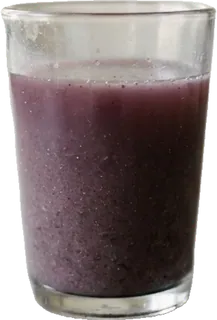
A small, almost black berry picked from pioneer trees that colonize cleared southern forest, eaten fresh in summer, dried for winter stores, or fermented into a tart chicha drunk at Mapuche gatherings in La Araucanía and Los Ríos.
How to order
¿Me vende maqui, por favor?
Maqui is sold as whole fruit, so there's nothing to clear with the seller — just ask, '¿Me vende maqui, por favor?' Markets in Mapuche communities may run partly in Mapudungun, but Spanish is understood at every stall.
History
Maqui is a Mapudungun name; the tree is küllón, the berry kelleñ, and Chilean Spanish borrowed the same word for both. Aristotelia chilensis is a pioneer species, the first tree to colonize ground cleared by fire, logging or farming across La Araucanía, Los Ríos and Biobío — the heart of Wallmapu, occupied by the Chilean army in the so-called Pacificación de la Araucanía of the 1860s-80s, which pushed Mapuche communities onto reduced landholdings where maqui now grows along fence lines and forestry roads. Families pick the berries in January and February, eat them fresh, dry them for winter, and ferment them into a chicha drunk at ngillatun ceremonies and family gatherings.
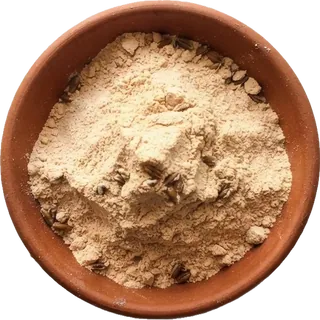
Maqui is a berry from first pick to last use: nothing but fruit goes into the drying trays or the fermenting jar. The chicha ferments on wild yeast already on the skins, with no added starter, dairy or animal fat at any stage, whether the berries are sold loose at a roadside stand, bagged dried, or processed into the maqui powder and juice now exported as an antioxidant supplement. There is nothing to ask for or clear with a seller before buying it.
Where to get it
Feria libre stalls, roadside sellers and family stands along rural roads in La Araucanía, Los Ríos and Biobío, from January through March when the berries ripen; a kilo of fresh maqui runs CLP 2,000-4,000, more for dried fruit or bottled juice sold out of season.