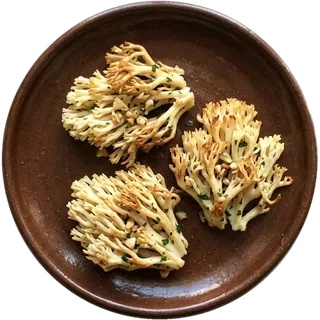
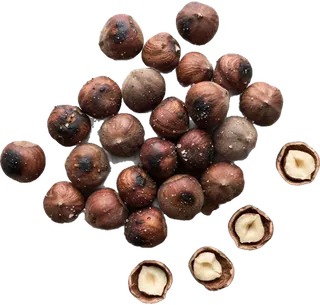
Frutilla Blanca
Fragaria chiloensis bears small, pale-fleshed fruit with a perfume stronger than the common red strawberry, ripening low along sandy ground through December and January. Mapuche growers around Purén, in Araucanía, still tend the original plant, selling the fruit at summer markets by the handful.
How to order
¿Me da un cartón de frutilla blanca, por favor?
There is nothing to clear with the fruit itself, since it is sold and eaten whole with nothing added; the only thing worth specifying is whether you want it plain, as some stalls pair it with whipped cream or condensed milk for an afternoon snack, so ask for it without by saying “sin crema, por favor.”
History
Frutilla Blanca is Chilean Spanish for white strawberry, Fragaria chiloensis, native to the dune grass and sandy coastal soils of south-central Chile. Mapuche communities in Araucanía selected and propagated the plant for its fruit long before Spanish forces reached the region, part of the agricultural knowledge of Wallmapu that colonisation later seized along with the land itself. In 1714 the French engineer Amédée-François Frézier carried five live plants from Concepción to France, where growers crossed them with a Virginia strawberry to produce the modern garden strawberry eaten worldwide. A handful of growers near Purén still keep the original white-fruited plant, picked by hand each December.
Frutilla blanca is a fruit, nothing else: no animal product enters at any stage, whether the strawberries are eaten straight from the plant, served sliced with a little sugar, or folded into a dessert at home. The only variable worth asking about is what the fruit is paired with afterward — some vendors sell it alongside cream or condensed milk for an evening snack — rather than anything about the berry itself. Bought loose by the handful at a market stall or picked from a garden row, the fruit arrives exactly as it grew, pale-skinned and soft, with nothing added before it reaches the hand that eats it.
Where to get it
Roadside stalls and the weekend feria in Purén and nearby towns of Araucanía, sold by the handful or in small wooden boxes through December and January; a punnet runs CLP 2,000-3,500 depending on the year's harvest.