Changle
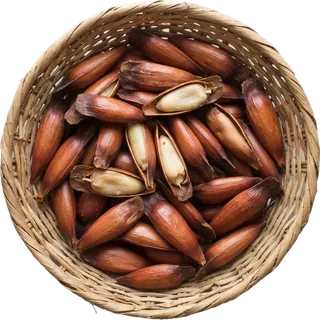
A coral-shaped fungus that grows in the wet forests of Araucanía and Los Ríos, pushing up after the first autumn rains, picked by hand and fried in egg batter, breaded, or stewed with meat. Mapuche and campesino families around Villarrica and Panguipulli gather it each March and April, before the first frosts end the season.
How to order
¿Me trae el changle sin huevo ni carne, por favor?
Ask whether the changle has already been battered with egg or stewed with meat before it reaches the plate, since both happen in the kitchen rather than at the table: say "¿Me trae el changle sin huevo ni carne, por favor?" Markets and stalls in Temuco and Valdivia run on Chilean Spanish, though many sellers are Mapuche and may also speak Mapudungun.
History
Changle is Mapudungun for this coral-shaped fungus (genus Ramaria), gathered each autumn in the native forests of Araucanía and Los Ríos, from Temuco south through Villarrica, Panguipulli and Valdivia; in Chilean Spanish it keeps the same name. It fruits under roble, raulí and coigüe after the first rains of March and April, and Mapuche and campesino families walk the forest floor to pick it, selling the surplus at town markets like Temuco's Feria Pinto. The nineteenth-century military occupation of Wallmapu pushed Mapuche communities onto reducciones and opened native forest to logging and pine plantation, shrinking the ground where changle grows.
The fungus itself carries nothing animal: picked, cleaned and cut into strips, it is plant through and through. Animal product enters at the stove rather than the table. The most common preparation, tortilla de changle, beats the fungus into egg before frying it, and cazuela de changle simmers it with beef or pork and broth. A plain version exists too, sautéed in oil with garlic and onion, nothing more, so the question is which pot it came out of, not what gets added afterward.
Where to get it
Town markets and small eateries across Araucanía and Los Ríos — Temuco's Feria Pinto, the Valdivia produce market, stalls around Villarrica and Panguipulli — sell it fresh by the kilo during the March-to-May season, around CLP 3,000-5,000 a kilo, or already cooked as a side dish for CLP 2,000-3,000 a plate.